


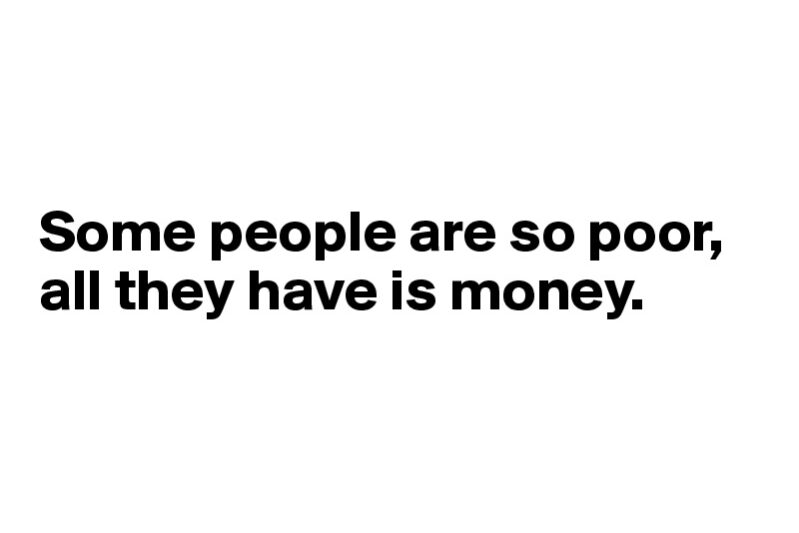
Throughout Luke’s Gospel, the theme of riches and possessions and the danger they pose to the human person keeps recurring. In today’s extract, an anonymous person in the crowd surrounding Jesus asks him to intervene in a family dispute concerning inheritance.
Very often, a rabbi would be asked to adjudicate in such a matter. But Jesus dismisses his request, and rather abruptly at that: he has more serious issues which he wants his hearers to consider. Jesus does not think that the matter is as simple as ensuring fair shares all round: he uses it as a springboard for teaching about avarice, or greed, quite a different subject. Money or possessions may well be necessary for human life, but when they become an obsession, when people think that this will bring them security, they are sadly mistaken, as Jesus illustrates in the parable of the rich fool: this follows his warning about never being satisfied, but always wanting more. Both these responses are provoked by the initial, perhaps seemingly reasonable, request from the voice in the crowd.
The rich man thinks that he can assure his life by what he owns: he does not grasp that life is a gift from God, and that it is God who decides when to withdraw his gift. Another element in the stories of people accepting Jesus’ message is that it puts possessions and money in a different light. One result of being converted to Jesus is to share what the person has, that the person becomes free in themselves and are no longer shackled to what they own. Life is a gift and should be treated as such.
Previous Sunday Messages


REFLECT
In Luke’s thought, possessions are not evil in themselves; but they can come between the person and the Gospel values which Jesus sets before us. We cannot survive without shelter, food and water and, at the beginning and end of our lives, the care of others. The question which we find put before us in our Gospel readings is, “What is the most important thing in your life?” One way of facing this question is to put ourselves in the shoes of the characters in the stories and ask ourselves, “How would I react?” We shall encounter several incidents over the coming weeks and consider the response of the characters who feature in them.
In the tradition and life of the Church, from earliest times, there has been religious life, that is, women and men devoting themselves to the service of God and vowing themselves to a life of poverty, chastity and obedience. No matter how idealistic various movements have been at their beginning, the physical demands of basic human existence have usually led to a modification of the original vision and practice.
Perhaps Jesus is asking us all today to examine our priorities and to think about what is most important in our lives: different people have different needs; there is no “one size fits all” – except the teachings of Jesus in the Gospel.
learn
- Luke regards the acquisition of excess wealth or possessions as a dangerous obstacle to accepting Jesus and his message.
- This does not mean that money or possessions are somehow evil in themselves:
- But when such things become a source of obsession, they can destroy a person’s life, their very soul.
- To accept Jesus and his message liberates a person – as shown in the story of Zacchaeus the tax-collector.
do
Make the Sign of the Cross: ask the Lord for the wisdom to examine your own priorities in life, then act on them.