


Fr Antonio Pineda
e live in a democracy. We enjoy individual freedom and liberty, the right to choose and decide for ourselves how to live our lives. But while we do not suffer dictators gladly sometimes, we seem to want to dictate to God, make Him do things our way, because we think we always know best. Some even abandon faith and prayer, because God has not granted their requests.
This was the thinking of Naaman the leper in the First Reading. The verses provided do not give us much context, but Naaman was an army commander from Syria and he bargained with God. Hoping to be cured of leprosy by prophet Elisha, Naaman arrived laden with gifts of silver and gold, to pay for his cure. The prophet did not even come out to meet him, but sent a message telling him to wash seven times in the river Jordan. Naaman was so hurt that he prepared to return to Syria, raging with indignation. Why wash in this particular river, when there were so many bigger and cleaner rivers at home? “Here was I thinking Elisha would cure the leprous part,” he fumed. It was only when his servants pointed out how simple was the prescription that he was persuaded to try it and so was cured.
Does Naaman’s story strike a chord? How often do we behave like Naaman? We say things like, “Why do I have to go to church, when I can worship God at home?” “Why does God send me allow me to be sick, when I could do so much good if I were healthy?” This reaction of “I-know-best”. But it stands to Naaman’s credit that he thought again, was cured and then returned to thank Elisha.
As Shakespeare wrote in King Lear, “How sharper than a serpent’s tooth it is to have a thankless child.” The Eucharist is a reminder never to forget God’s greatest gift to us: His own Son, our Saviour. If we concentrate too much on asking for things, there is a danger that we may reduce the Mass to the level of magical thinking, a way of turning God to our way of thinking. How much better if we can open our hearts and our lives to whatever God wants for us, which is sure to be the best that can happen to us in the long run.
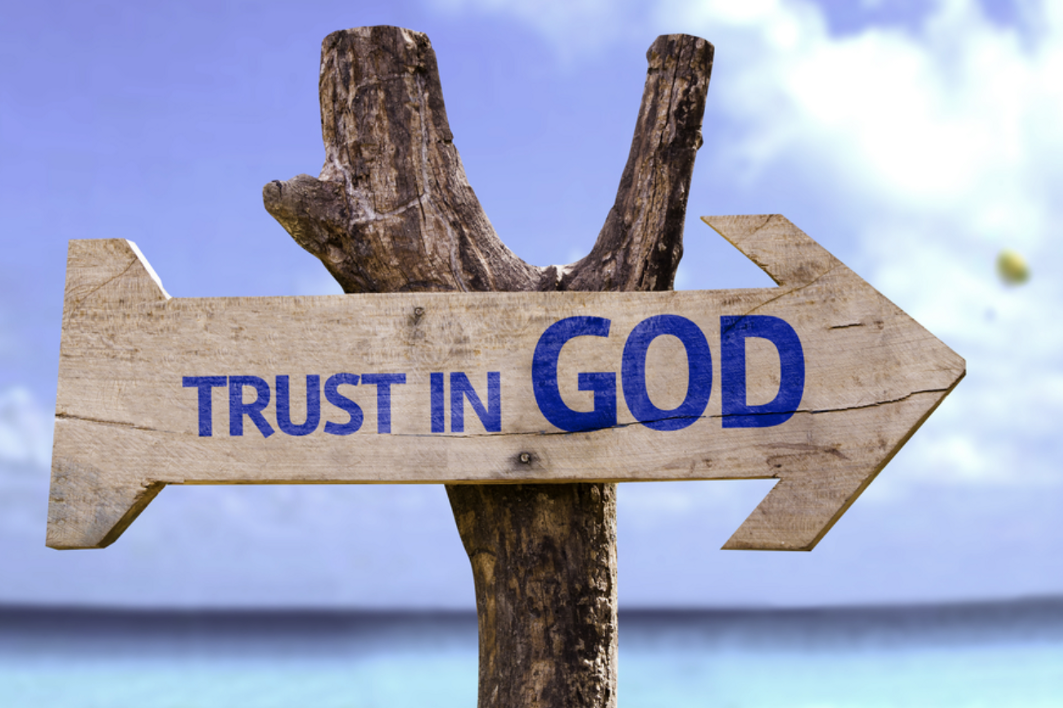
When we say the Lord’s Prayer, we say, “thy will be done”, not demand to have our own way. When we need a favour, we must ask for it with prayer and thanksgiving, because God answers prayer, though perhaps not in the way we expect. Ultimately, says Jesus, God grants only what is for our good. We need to thank God from the heart, like Naaman after his cure, or like the leper who was grateful to Jesus in this Sunday’s Gospel.