



Fr Antonio Pineda
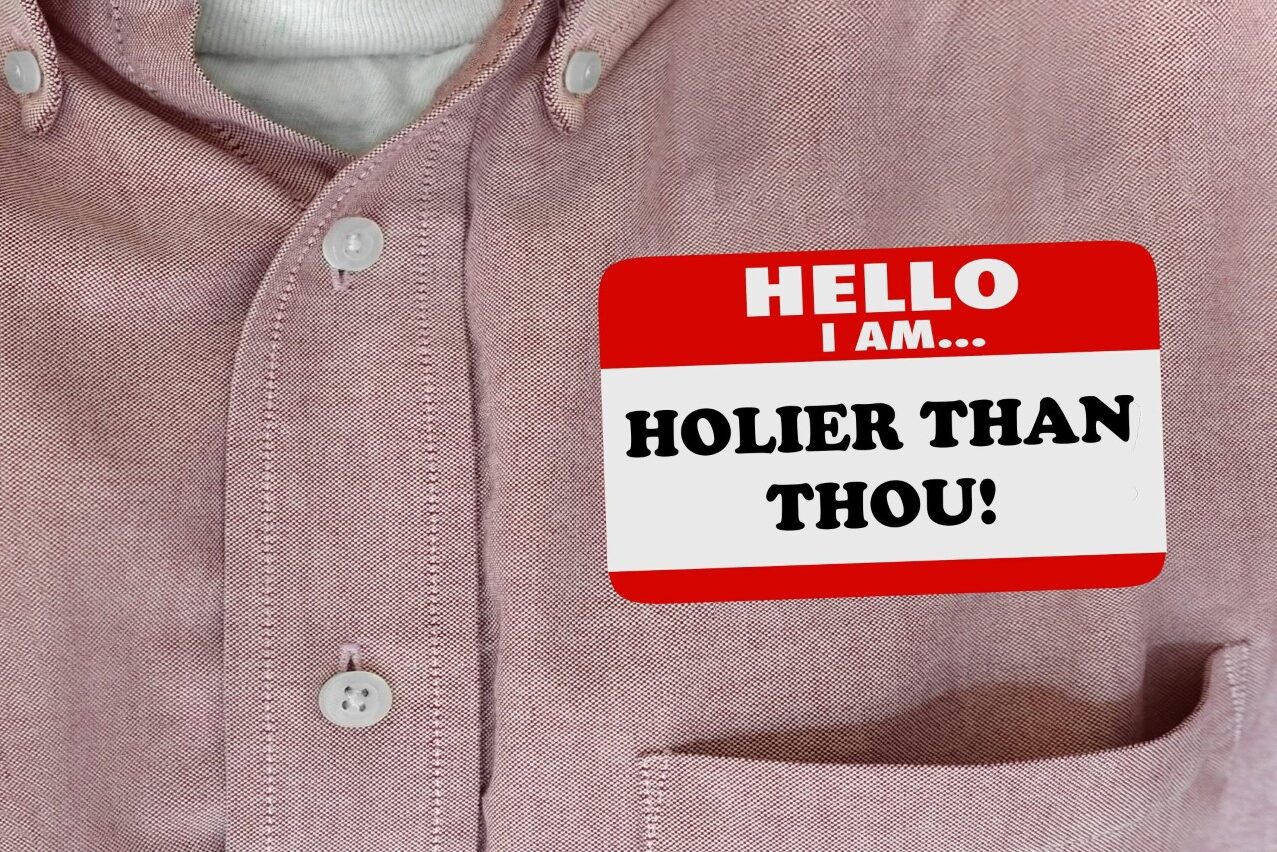
o we have the proud Pharisee and the humble tax collector in this Sunday’s Gospel. The exalting and the self-effacing. It is interesting to note that pride is the first in the list of the seven deadly roots of sin. Pride was also the catalyst of the first temptation, as told in the Book of Genesis. Remember how the serpent enticed Adam and Eve when he told them to eat the apple: “You will be like gods, knowing good and evil”. By seeking to usurp God’s authority, our first parents came to know evil too. Pride does not walk humbly with God but marches to another drum … a march that leads to disobedience, intellectual rebellion, disregard of the commandments, self-deification and pomposity.
Religious self-righteousness is perhaps one of the deadliest forms of pride. It is the root of bigotry. There is a legitimate pride that recognises one’s talents and value, or of seeing one’s children grow up to be successful adults. But the pride which judges others and despises them is contrary to God’s compassion. Compare how the Pharisee and the tax collector prayed. Note that the Pharisee almost said his prayer to himself, not to God. In contrast, the tax collector – though he could not even bring himself to look up because of great shame – when he prayed, his words pierced the clouds.
We are called to emulate the tax collector. The prayer of the sinner comes straight from the heart. It is simple and uncomplicated. Prayer is our response to glimpses we get of God’s relationship with us. It may lead us to adoration or praise, to thanksgiving or petition. In the parable’s instance, it leads to profound repentance.
We all know the saying “pride comes before a fall”. The second part of that saying, as Jesus Himself promises, is that “humility comes before an exaltation” (c.f. Mt 23:12).