


Fr Marco Lazzaron
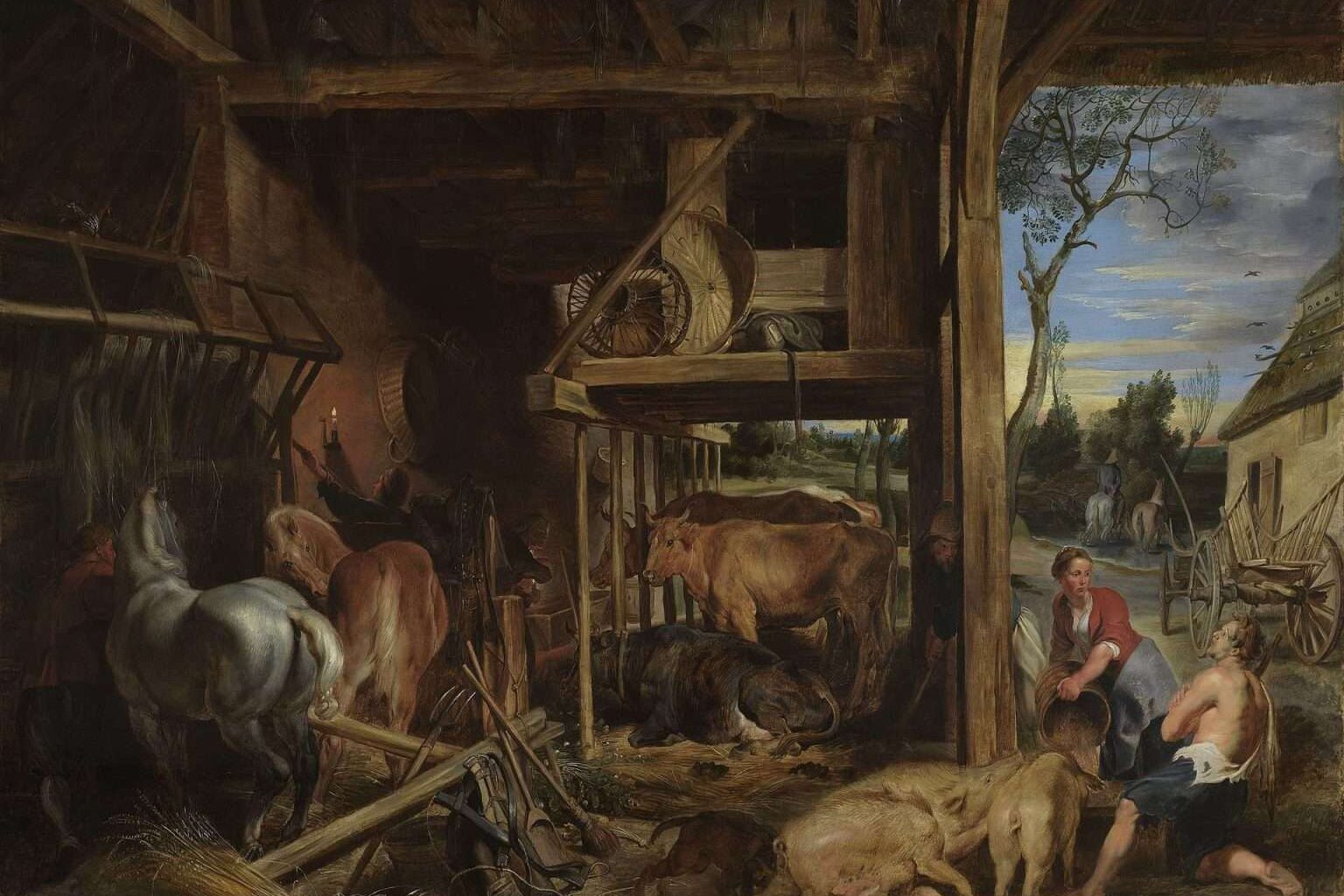
oday’s parable speak to us of two children, the younger one who at some point in his life says to his father: “give me my share of the inheritance”. Here is the first point: this son wants things rather than a relationship. The second thing that happens when we put our life on our own needs is not only an experience of dissatisfaction but also the experience of distancing ourselves from God and from our neighbour. We think we are self-sufficient and we think we are enough for ourselves. The “I do what I want” mentality does not set free this son but actually makes him unsatisfied, hungry, disappointed, and slave. As often happens, this is the moment in which we reflect on the meaning of life, on where we are going, on what we really want. He realises that what he has left behind was truly good, and this leads him on the way home, to the house of the Father; and it is here that he discovers all the beautiful things that he had left behind but that he never understood and appreciated. His coming home causes the joy of the Father and the celebration can begin.
But, this causes another reaction in the older son: “He was indignant and wouldn’t go in”. The happiness of others very often awakens jealousy and envy within us. When we are not happy with our own life, the newfound life of someone else does not arouse happiness and joy in us. We are unable to participate in the joy of others. Sometimes a sense of incomprehension and misunderstanding or injustice are enough to make us feel distant even from the people with whom we spend most of the time. The eldest son was always physically very close to the father, and yet he judged the others so much that he found himself even further away.
He never says “father” or “brother”, he thinks only of himself. He boasts of having always remained close to his father and of having served him; and yet he has never lived this closeness with joy. Imagine the father! One son gone away and the other was never close to him either. This is the “suffering” of God (if we can speak of this) when we distance ourselves from him, or because we are physically close but never totally with Him. Ultimately, the attitude of the eldest son belongs to us: when things don’t go as we would like them to, we are ready to blame everyone including God himself.
The oldest son’s journey back was likely more difficult (we do not know how it ends) but I like to think that, eventually, he also returned to himself. It is up to us to write the end of this story!
Therefore, let us ask for the grace to open ourselves to the newness of God, to know how to rejoice with others. This will not take anything away from us and does not indicate that God loves us less. And, even if things do not go as we have planned, let us remember that God wants to be (and is) close to us. He asks us to learn from Him, to offer Him what hurts us so that our suffering and our difficulties may become fruitful when lived with Him and in Him. Let us ask the Lord that He may give us the grace to live as children who never distance themselves from Him and to rejoice for one another.
Christian Art
The Prodigal Son,
Painting by Peter Paul Rubens (1577–1640),
Painted in 1618,
Oil on canvas
© Royal Museum of Fine Arts Antwerp