



Fr Marco Lazzaron
n the Gospel of the Solemnity of the Ascension of the Lord, the evangelist Luke recounts the last moments of the Risen Lord’s presence on earth. Jesus says to his disciples: “You see how it is written that the Christ would suffer and on the third day rise from the dead, and that, in his name, repentance for the forgiveness of sins would be preached to all the nations, beginning from Jerusalem. You are witnesses to this”. The disciples now receive the ministry of witnesses. They are no longer just the followers of the Master, but those who have seen the mystery of Easter, the victory of life over death, fulfilled in him.
After this promise, Jesus prepares to say goodbye and leads them to Bethany, a place from which it is possible to contemplate Jerusalem, the city that symbolizes the entire people of God, over which he shed copious tears (cfr. Lk 13:34; 19:41). A city that has not recognized Jesus’ thoughtful visit and yet continues to be loved until the end. It is precisely this city that Jesus contemplates from Bethany, it is precisely this city that is the last frame that he captures with his sight before leaving this world and ascending to Heaven.
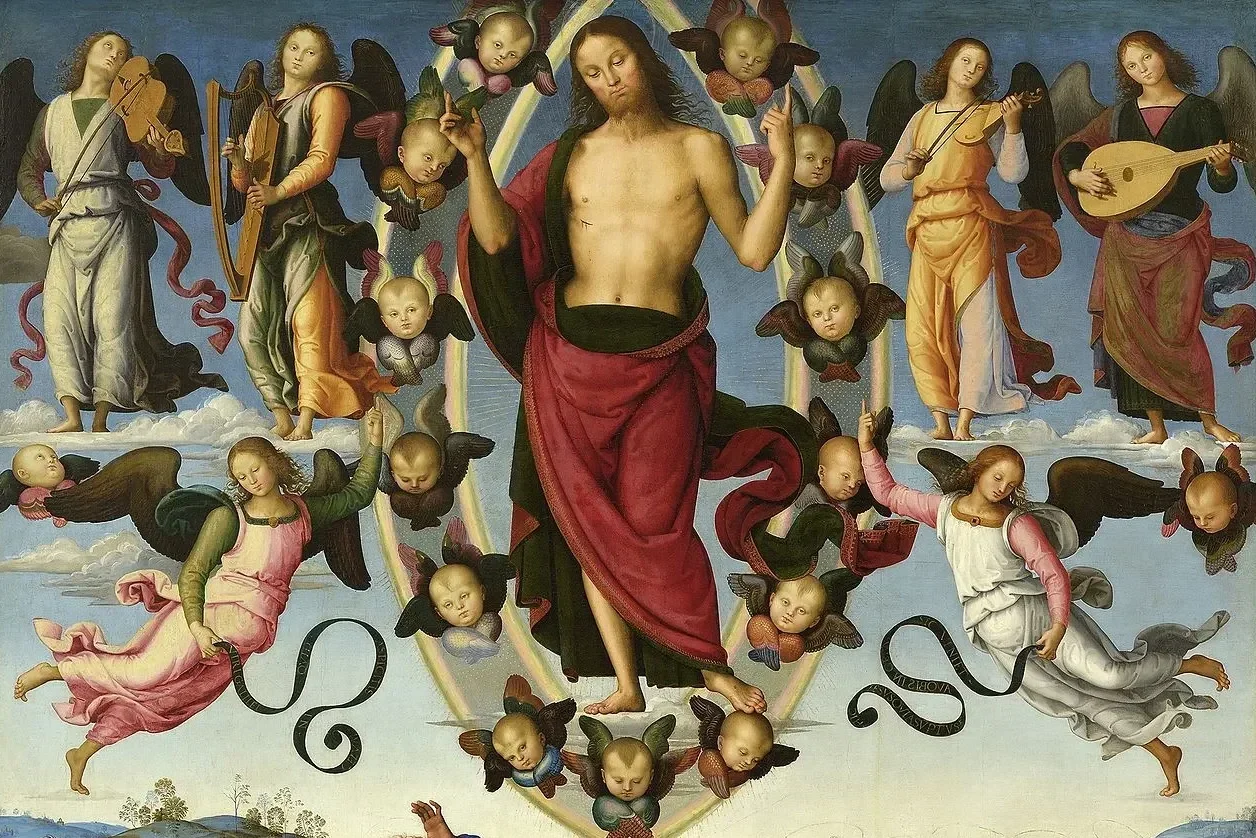
After having passed through the valley of tears, Jesus now changes it into a source of blessings. His tears are transformed into a river of blessing that he pours out on his disciples. Pain is transfigured into compassion, tenderness, closeness. In this atmosphere of peace, trust and brotherhood, Jesus raises his hands upward and sends down his blessing: strength and refreshment, power and gentleness.
The blessing was the welcome that Elizabeth had given to Jesus while he was still in his mother’s womb and now becomes the farewell of Jesus himself. After giving the blessing, he ascends to Heaven. It is not a journey in space, but a supernatural event that refers to his enthronement as the Son of God. The time of his earthly presence is over but the time of his invisible presence in the Church begins.
After having prostrated themselves before the Lord as a sign of profound adoration, the disciples-witnesses obey him by returning to Jerusalem with great joy and go to the Temple (where the Gospel of Luke begins with Zechariah). Now the temple is no longer the place of sacrifices, but of praise, which is the most welcome sacrifice. The blessing enters the temple with force and becomes praise, a free expression of the faith, hope and love of the witnesses. It is a praise that becomes the expectation of the definitive encounter, but that also becomes the custody of the blessing received. It is the believer who puts the blessing into “circulation” in the world, as a therapeutic force that heals the deepest wounds of the soul.