



Fr Marco Lazzaron
new parable, unique to Saint Luke, is at the center of today’s Mass. It is the evangelist himself who offers us the key to interpreting the story, revealing the purpose of the Lord’s teaching: to correct those who consider themselves righteous—who, because of an inner presumption, pass harsh judgment on sinners. This is a danger for every disciple: to presume upon oneself and judge others, to the point of despising them.
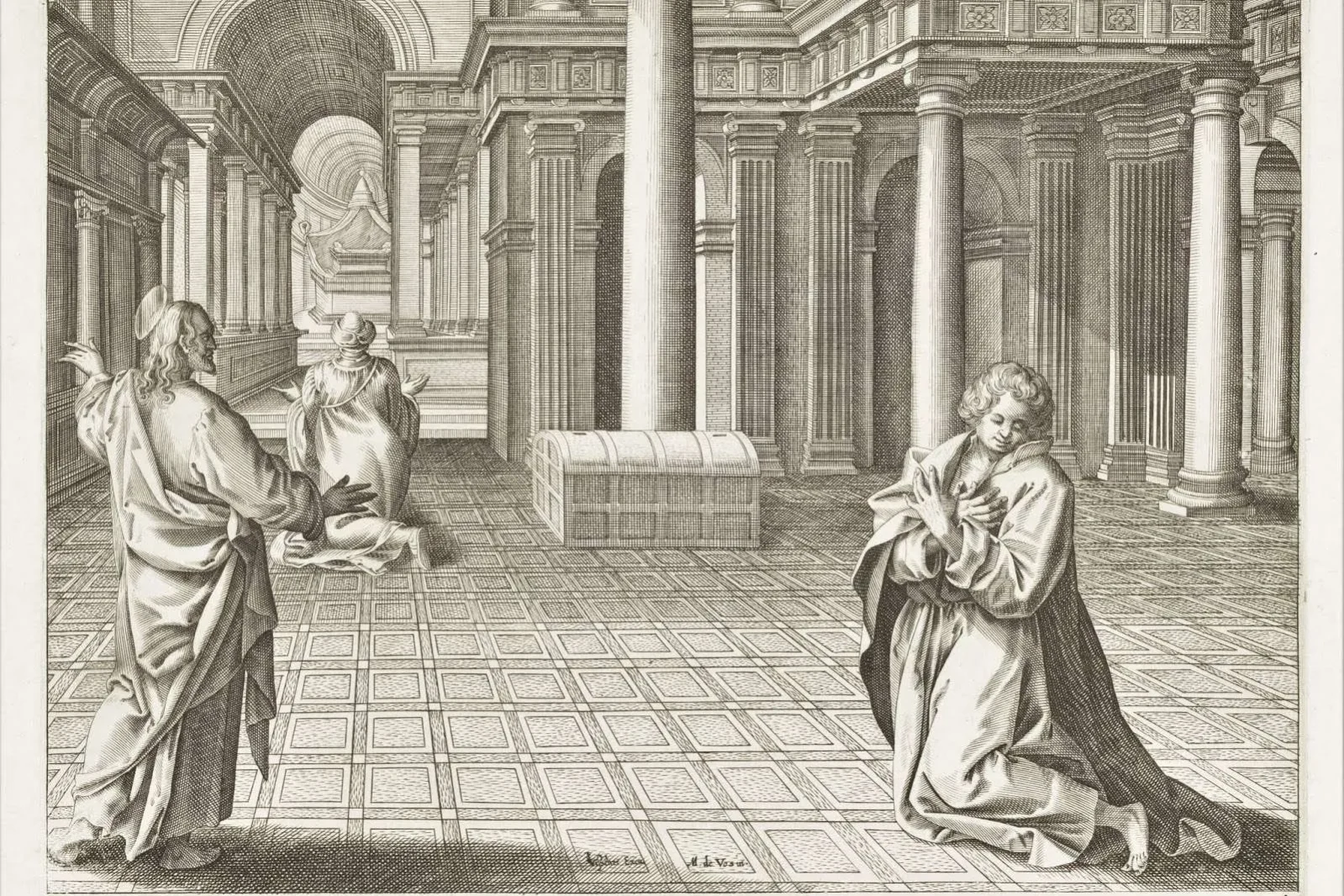
The parable is set in the temple, during a moment of personal prayer. The characters are representing two opposite categories: a Pharisee, an observer of the Law, and a tax collector, a well-known sinner considered far from both people and God. From the words each one speaks, we can discern the intentions of their hearts.
The Pharisee, standing in the presence of God, offers his prayer silently, recognizing himself as scrupulous in observing fasting practices and paying tithes, and thanking God for being able to fulfill his religious duties. There would be nothing objectionable in this first part if the Pharisee didn’t fall into the sin of rash and presumptuous judgment by comparing himself with all those who live in sin. His prayer becomes a condemnation of those who live far from the divine Law. Pride completes the picture: from a presumed moral and religious superiority, the Pharisee claims merit for what he has achieved through his own actions.
Let us now consider the tax collector, who stands at a distance and prays with his eyes lowered, recognizing himself as unworthy before God and beating his breast as a sign of repentance. The few words he speaks are a plea to God, without judging others: he acknowledges his sinfulness, does not hide it, and entrusts himself to divine mercy. Saint Augustine interprets his attitude in this way: “This is why the tax collector did not dare to raise his eyes to heaven—because he looked within himself and punished his own conscience. He became his own judge so that the Lord would intercede for him; he punished himself so that the Lord would free him; he accused himself so that the Lord would defend him” (Commentary on Psalm 31, II, 12).
O God, be merciful to me, a sinner! This is the effective prayer that springs from a deep truth: before the holiness of God, we can only beg for His mercy. Unlike the Pharisee, who praised his good deeds and attributed them to his own ability and upright life, the tax collector instead leaves it to God to take the initiative in renewing his life. The Pharisee relies on his own righteousness, while the tax collector trusts in the justification that God grants to those who show a humble and contrite heart.
The conclusion of the narrative is provocative: God justifies—that is, saves—the tax collector because of his faith, accepting his prayer; the Pharisee, on the other hand, remains a prisoner of his own formal religiosity. Those who exalt themselves leave no room for God’s action in their lives; they have nothing to ask for, only merits to flaunt—unlike the sinner, who, in his need, awaits all good things from God.