



Fr Marco Lazzaron
he Gospel of today hands on to us the experience of the Resurrection as lived by Mary, Peter and John. It places us before an empty tomb. It is still dark when Mary Magdalene goes to the tomb. That darkness is not only that of dawn: it is the darkness of a wounded heart, of a disappointed hope, but also of a love that does not resign itself to death. It is a darkness we too often experience in our lives. Yet that darkness does not stop Mary; it does not prevent her from seeking meaning, from longing for the light.
Easter begins with a restless movement, with a heart that does not remain still but searches, driven by a burning question within: “Where is my Lord?” Mary arrives and finds no one. Understandably, Mary runs to inform the others, but she interprets everything in a human and logic way: someone must have taken him away.
Then, also Peter runs, the beloved disciple runs. With hearts in turmoil and quickened steps, the disciples reach the tomb. Here they do not find Jesus, but poor signs: linen cloths lying there, and a folded cloth. Signs that do not speak of theft—yet neither are they overwhelming proofs of the Resurrection, but rather traces that must be interpreted because God does not impose Himself. The Resurrection does not remove the struggle of believing; it passes through it. Peter arrives, enters, looks—but does not yet believe. God respects each person’s timing. Pope Francis has often invited us not to be discouraged when faith is slow, fragile, incomplete: God works even in our delays.
The beloved disciple, instead, once he entered, “saw and believed”—or better, “saw and began to believe.” He did not see Jesus, but he began to believe by reading the signs with his heart. This is the faith of one who has experienced love: whoever has truly loved and listened to the Master’s words knows how to recognize His presence, even in a “visible and clear” absence. As Pope Francis also said, Easter faith is the ability to see beyond, to sense that God is already at work even when we do not immediately recognize Him.
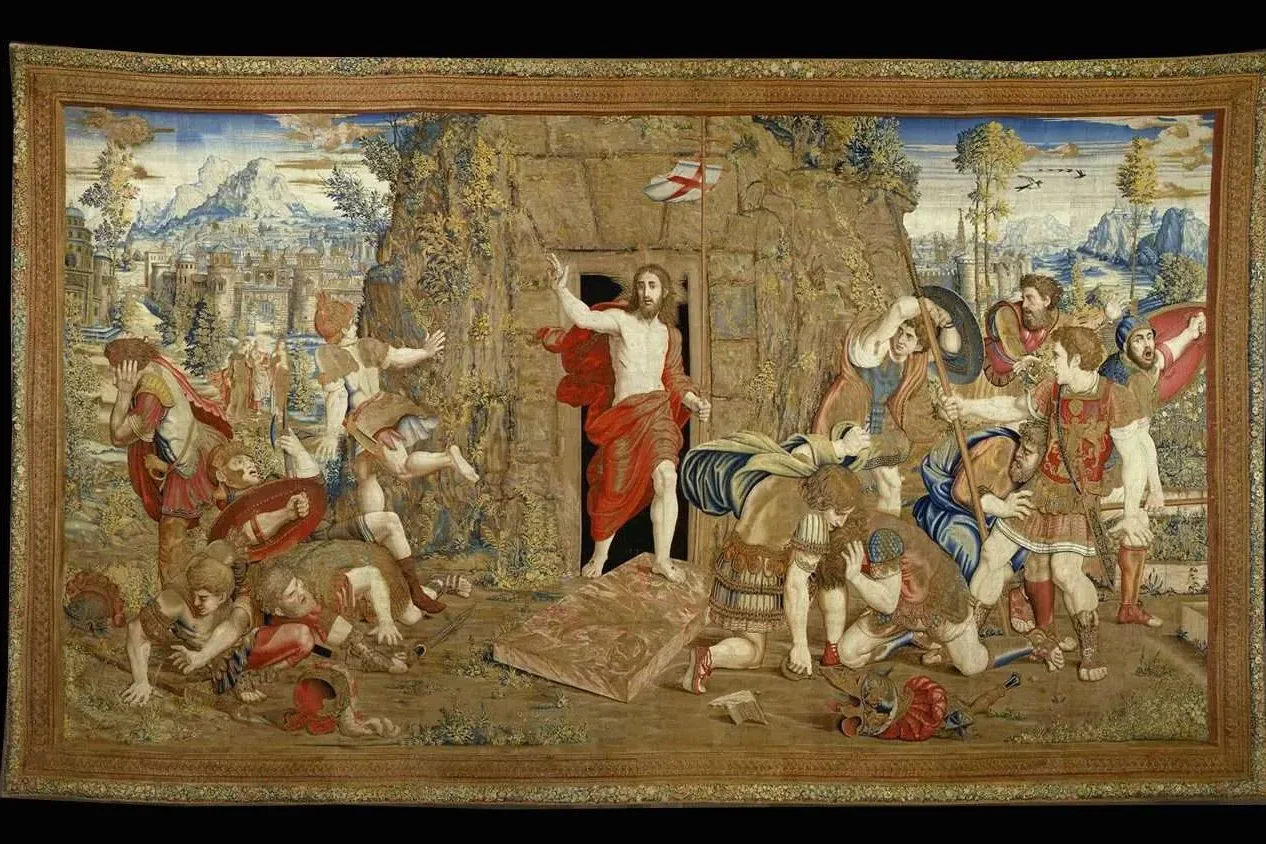
Easter is not only an event of the past, but a possibility for the present. It is the proclamation that life is no longer a prisoner of our inner tombs: death, fears, failures, sins… God has intervened by raising His Son and, in Him, has definitively opened our tombs. Therefore, let us allow ourselves to be set in motion. Ultimately, Easter is precisely this: believing that love is stronger than death, and that the final Word belongs to the Risen One, the Lord of life.
Prayer
Risen Lord Jesus, come into our nights and open the tombs of our hearts. Grant us eyes able to see the signs of your presence even when everything seems finished, and grant us a heart capable of believing and proclaiming that love is stronger than death. Amen.