



Fr Marco Lazzaron
n anonymous man in the crowd suddenly raises a crucial demand. He addresses Jesus as a rabbi (rabbis were not only theologians but also jurists who could be called upon to resolve legal issues). The dispute concerns a question of inheritance. “Teacher, tell my brother to divide the inheritance with me”. This is one of the reasons why families still argue, convinced, then as now, that we will find security in our possessions. As often happens in the Gospel, Jesus does not offer ready-made solutions, but invites us to open our gaze to broader horizons. Jesus responds impatiently because he sees in that demand not a thirst for justice but a lust for possessions. “Be careful and beware of all greed, for even when one has abundance, one’s life does not consist of what one possesses”. The two brothers believe that happiness comes from what they possess, not from what they are.
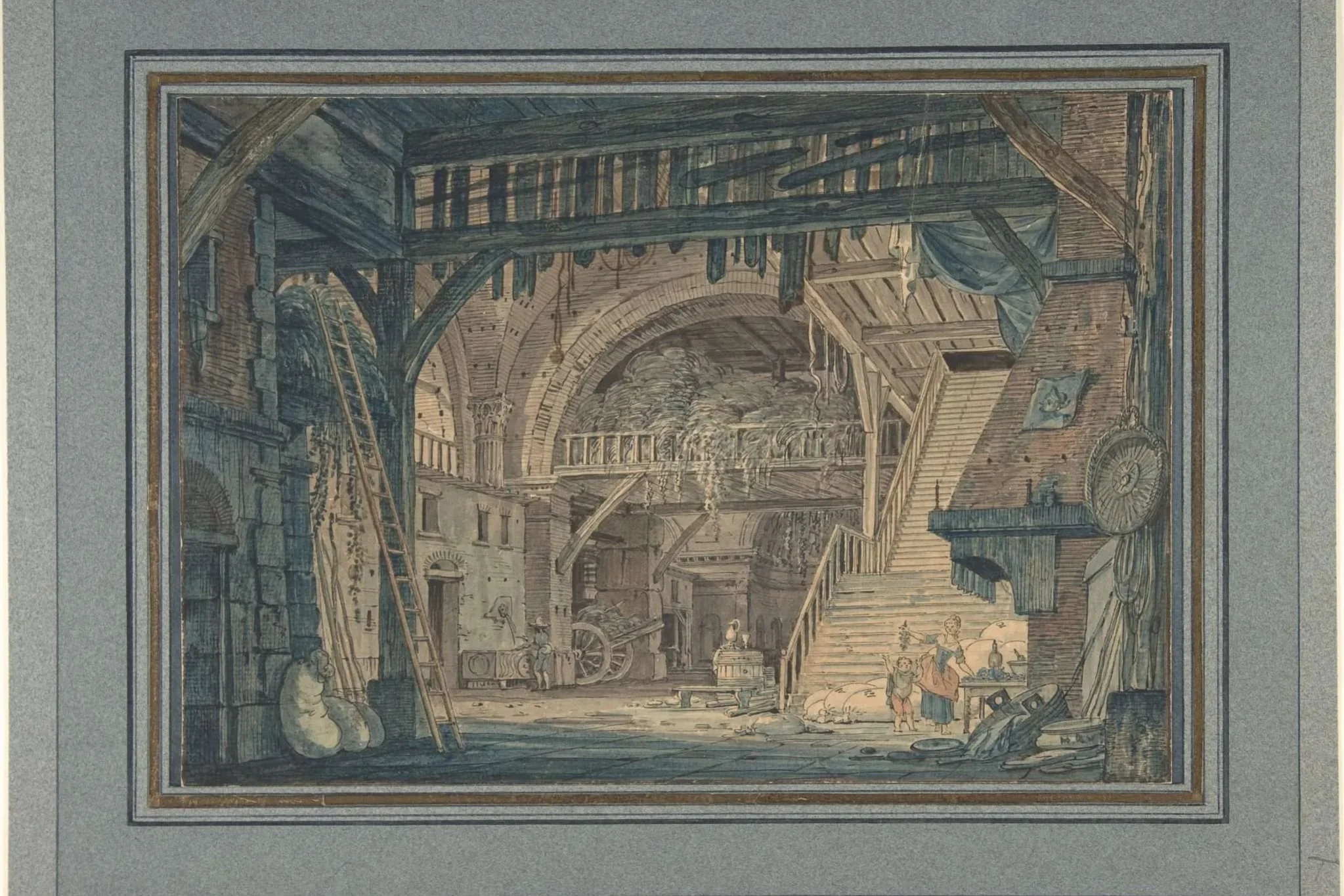
To this instruction, Jesus adds the parable of the rich, foolish man. He’s neither dishonest nor greedy. Ultimately, he just wants to make his earnings grow so he can enjoy them in peace one day. His problem is that he lives outside of time: he always uses verbs in the future tense, as if life will never end. It’s a life plan in which only the “I” is present: “I will do, I will demolish, I will build, I will harvest, etc.” Everything else is accompanied by the adjective “mine”: “My crops, my warehouses, my possessions, my life, my soul”. His risk is dying without having lived. The man in the parable wants to expand his space, to grow bigger. He binds himself to goals to be achieved with the illusion that there is something material that can satisfy his thirst for happiness.
The reality, however, is that I am my own treasure. Happiness is already here, heaven is already present here on earth; you just need to have the courage to stop, listen, and choose it.
It’s an uncomfortable parable for the wealthy. A rich man isn’t free; he’s possessed by things. Jesus healed lepers, demoniacs, and restored sight to the blind. He failed only with one: the rich young man. He loved him to the end, but he couldn’t do anything. Be careful, for Jesus, wealth is a blessing; it’s not dirty, it’s just dangerous: It can turn into a curse if it’s not shared.
Abundance must be an opportunity to distribute those goods to those who aren’t so fortunate. It’s no coincidence that the man in the parable is rich but alone: no one else is named in the parable, no one is around him. The rich man would have become richer before God if he had also used his wealth to help others.
But here comes the surprise: death suddenly arrives. Death is the logical consequence of his choices: in reality, he was already dead inside himself. Jesus does not despise earthly goods, but answers a question of happiness. Do you want to be happy? Don’t seek it in things; the only goods we need to accumulate are beautiful, pure, authentic, and free relationships. “Vanity of vanities”, says Qoheleth, “all is vanity”. It is undoubtedly a disheartening vision, which seems to leave no room for hope and joy, but it is realistic.
– What treasures are you accumulating? Those before God or those before men?
– What kingdom are you seeking, the kingdom of God or the world?