



Fr Marco Lazzaron
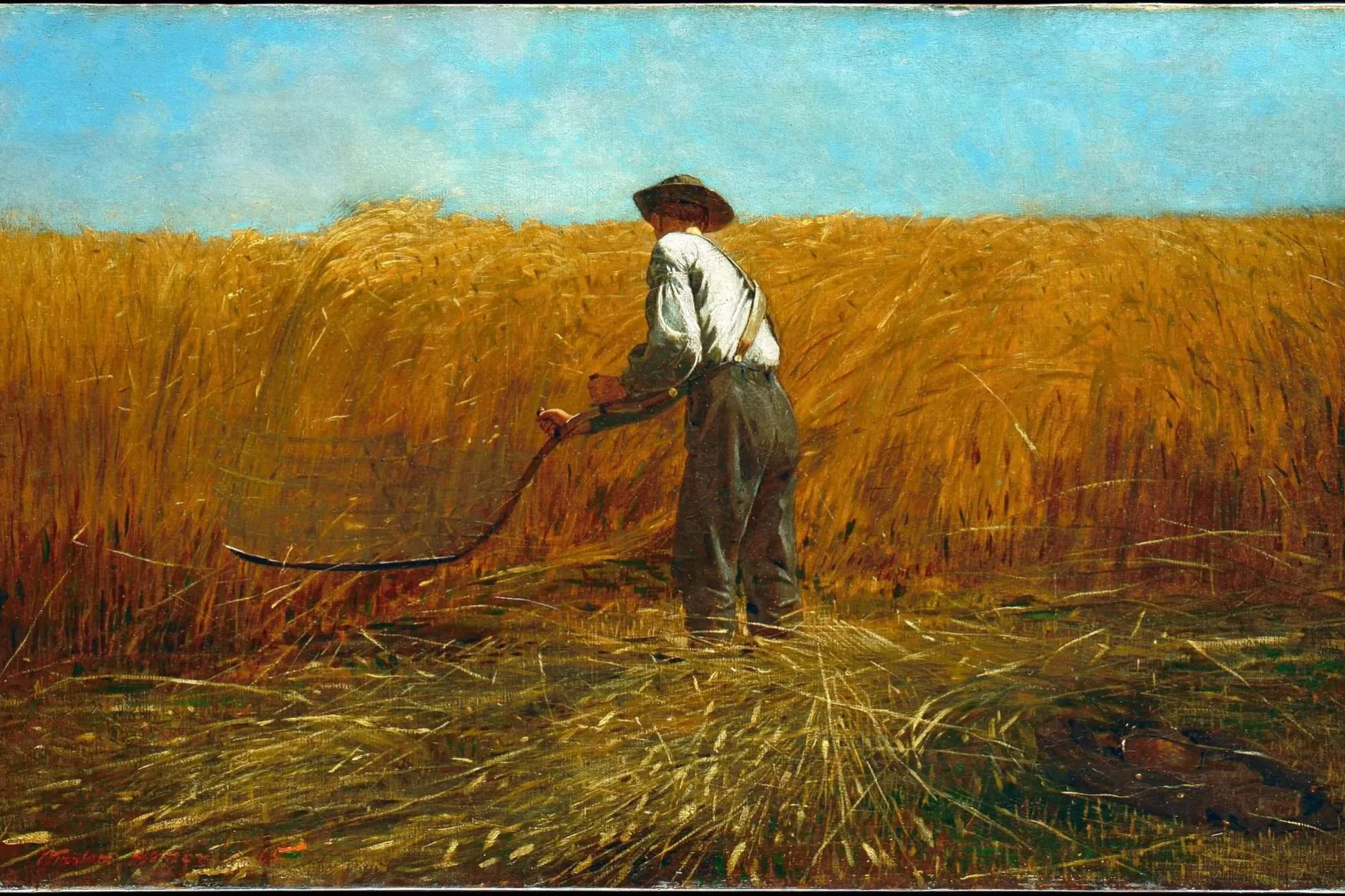
oday’s Gospel passage gives us the instructions that Jesus gives to the disciples when he sends them on a mission and the words he addresses to them once they return from the mission itself. This text adds to and enriches the first missionary mandate, that is, the one addressed to the Twelve (here 72 are sent!)The first indication focuses on prayer: “Pray the Lord of the Harvest to send workers into his harvest”. Jesus reminds us that conversions and vocations, as well as effectiveness in pastoral work, are first and foremost a fruit of grace, a gift from God.
Jesus’ attention is not so much focused on the words to be said but on the testimony to be given. Jesus sends them, detaching them from himself but unites them to himself by asking them to embody his own style. Poverty, minority, brotherhood, trust in Providence are characteristics opposed to the logic of the world but proper to the evangelical mission of being God’s children.
Jesus sends his poor and helpless disciples like lambs, asking them to renounce the typical ways of “wolves”: arrogance, authoritarianism, or compromises. It is precisely when the disciple is a lamb that he allows the Good Shepherd to take care of him and defend him. Jesus sends them two by two, so that they can help each other and overcome selfishness in themselves, showing the signs of the brotherhood of charity, the first “fragrance” of God. And he sends them without anything, so that they can overcome the temptation of attachment to money, of reducing the mission to personal gain, showing that their trust is truly placed in Him. He asks them not to greet anyone along the way, in the sense of not getting lost in idle chatter and relationships that would slow down their mission.
Jesus sends them not only to proclaim peace but to be peacemakers, proposing his peace wherever they enter, always leaving the freedom to welcome or refuse. He invites them not to go from house to house but to know how to be content, remembering that the mission is not the search for comfort, prestige and appearance but service and care for those they meet.
Therefore, the instructions end precisely with compassion, tenderness and care to be exercised towards the suffering, announcing to them the closeness of the Kingdom of God, of the Lord and of his love that saves.
It is no coincidence that when the disciples return, full of joy for the success of the mission, they do not speak of it in terms of conversion, of evangelization, but of people being freed from the evil one: “Even the demons submit to us in your name”. This means that they were able to defeat the evil one in themselves, over themselves, they were able to overcome the temptations that Jesus warned them about. So much so that Jesus says to them: “nothing will hurt you”.
In order for these features to be imprinted and manifested through us, we ask for the help of the Lord and his Holy Spirit.
Lord, I pray that you give me light to discern, courage to speak, strength to love. Help me to be in my daily life a faithful witness of your love, an ambassador of your peace and a bearer of hope.