



Fr Marco Lazzaron
or Luke, the beginning of the announcement of the Gospel occurs with the call and mission of John the Baptist. Here is Luke’s solemn story, which specifically mentions the desert.
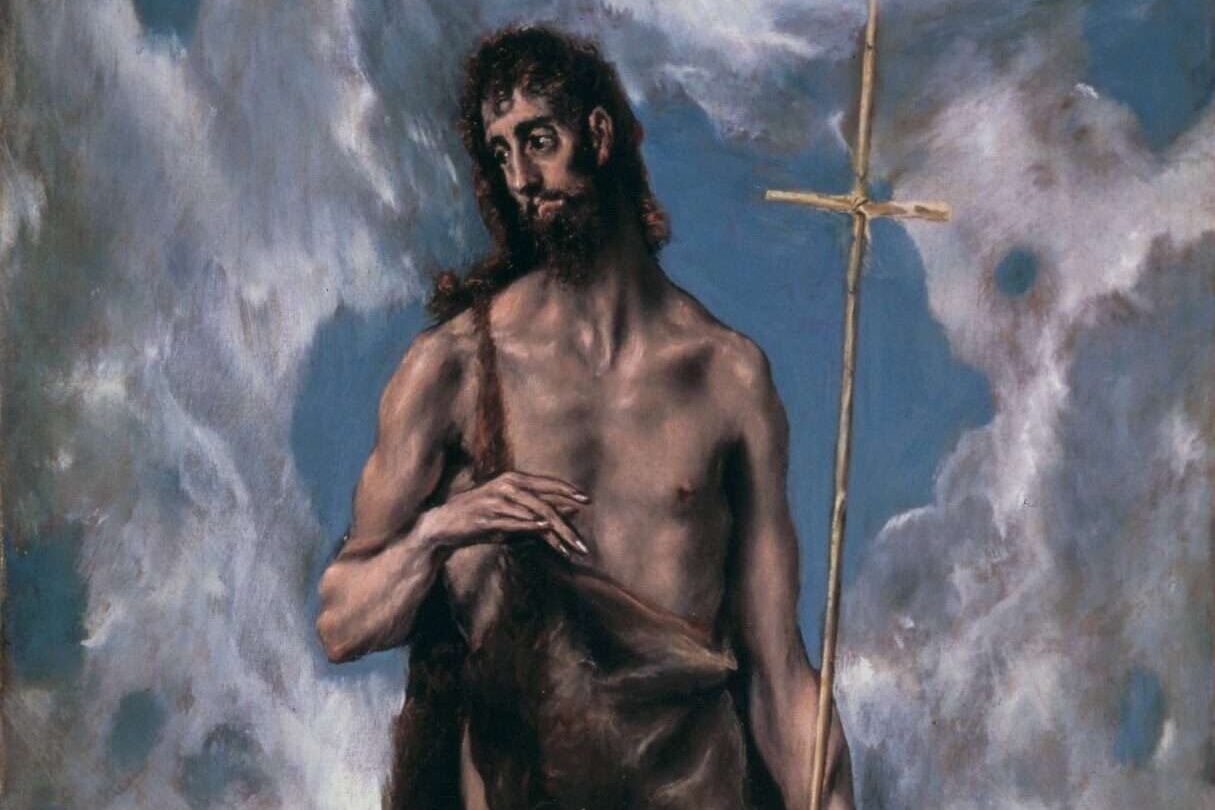
The word of God comes to a man, John, and establishes him as a prophet, a word-bearer of the Lord God himself. The prophecy that had been silent for five centuries in Israel becomes present again in a man who made an itinerant preacher by the Word, travels throughout the Jordan Valley, to bring his people back to God.
John preaches conversion, that is, the need for a change in mentality, behavior and lifestyle, and asks that this will be accompanied by a simple, human action: be immersed (see “baptized”) in the waters of the Jordan River.
“It is God who produces in us the will and the action” (cf. Phil 2:13) and who always offers us, well before we desire or seek it, his love, which is infinite mercy. If we prepare everything to receive this love, if we know how to welcome it and therefore convert, then the gift of forgiveness of sins reaches us and does what none of us could do: our sins, our having done evil is canceled and God looks at us as blameless creatures because we have been forgiven and justified by his mercy. This is the Gospel, the good news that begins to resonate among the dunes and rocks of the desert and the Jordan River, through the work of John: now a prophet is among the people, who flock to him to listen to the word of God announced from his voice.
John, called by the word of God that fell on him as it fell on the ancient prophets, carries out a very specific mission: a ministry of consolation. Here we cannot fail to remember the “monks” of the Qumran community who lived precisely in that region of the desert in which John had publicly appeared. They had applied to themselves precisely this prophecy of Isaiah which asked to open a road in the desert and to smooth it out for the coming of the Lord, taking it as the source of their ministry and their mission. For this reason they had come to the desert to live according to the will of God and to await the coming of the Messiah and his kingdom in prayer and in the persevering study of Scriptures.
“As it is written in the book of oracles of the prophet Isaiah, ‘voice that cries in the desert: Prepare the way of the Lord, make his paths straight’”. This voice – Luke underlines it – wants to reach “all flesh”, every man and every woman, not only the sons and daughters of Israel, so that everyone can receive the salvation of God.
All this happens on the edge of the holy land, on the threshold of the desert, with its emptiness, its silence, its solitude. What a contrast between the “great” history, which sees Tiberius, Herod and the others reign, which records the high priesthood of Annas and Caiaphas, and the history of salvation, which takes place in a humble, hidden way! Nothing that gives prestige to political power is present; nothing that characterizes the solemn priestly liturgy appears: simply a small river, some water in which to immerse oneself, a voice that in the desert asks for another, new life, asks men and women to start living again according to the will of the Lord.