



Fr Marco Lazzaron
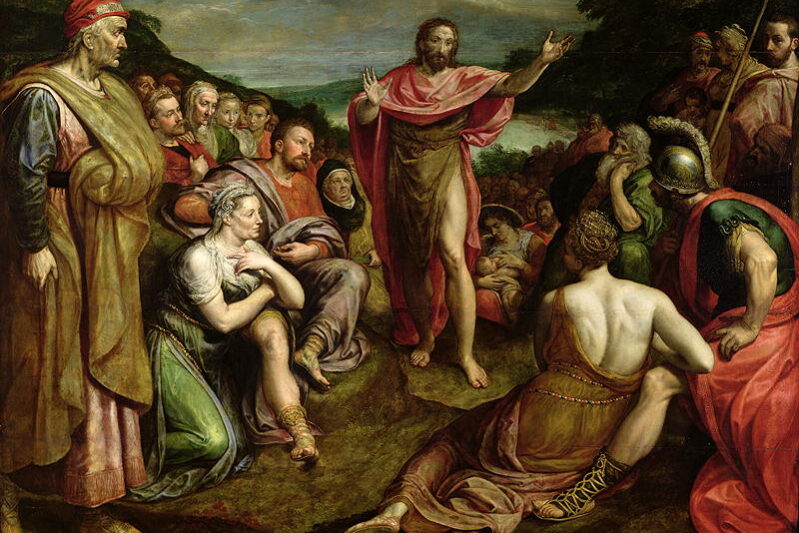
fter John said: “Receive a baptism of repentance for the forgiveness of sins”, the crowds, the publicans, and the soldiers ask him a question: “What should we do?” It is a question dear to Luke who repeats it in other stories of conversions: the crowds at Pentecost, the jailer of Philippi, St Paul on the road to Damascus. Many people out there ask this question (even my brother to me!): “What should I do?” The answer depends on who you are, what you have inside, what you live inside.
John’s words are disarmingly relevant. We need to start from simple things: sharing food and clothes, calculate taxes fairly; do our duty. I imagine that that day they stared at John’s face in astonishment and thought: “Is that all?” Perhaps they imagined some pastoral proposals and instead, simply the little of every day but done with joy. Christianity is the embodiment of joy. It is the gestures of daily love, hidden and silent, that make the difference. This can wake us up from our sleepy Christianity, from our empty and inconclusive spiritualisms because to love is to take care of the needs of men.
John does not ask for sacrifices and burnt offerings, he does not ask to go to the temple a few more times to participate in the solemn liturgies, he does not ask to do particular fasts, but he asks for very humane actions. It does not ask for what a certain ecclesiastical preaching still asks for today: liturgies, novenas, pious exercises… These, in fact, are tools to acquire a greater charity.
To the publicans, who paid a certain sum to the State as a product of a tax, which they then demanded on their own behalf, John banally asks them to be honest, not to demand anything more than what was set because greed is the root of all corruption.The Baptist does not even ask them to abandon their profession, but to live it in justice.
John asks the soldiers, accustomed to using force, not to impose their authority with arrogance. He only asks to renounce violence and not to mistreat anyone. John’s principle is simple: people first. John’s response represents the concreteness of the ordinary that is, living everyday and ordinary life with an extraordinary love.
John baptizes with water, but Jesus will baptize with “the Holy Spirit and fire”. The two rites are on different levels. True Baptism is of fire because it warms life, gives it passion, that spark of God that waits to be reawakened. We were born in water but it is only in fire that we will grow and this fire has a name: Jesus of Nazareth.