



Fr Marco Lazzaron
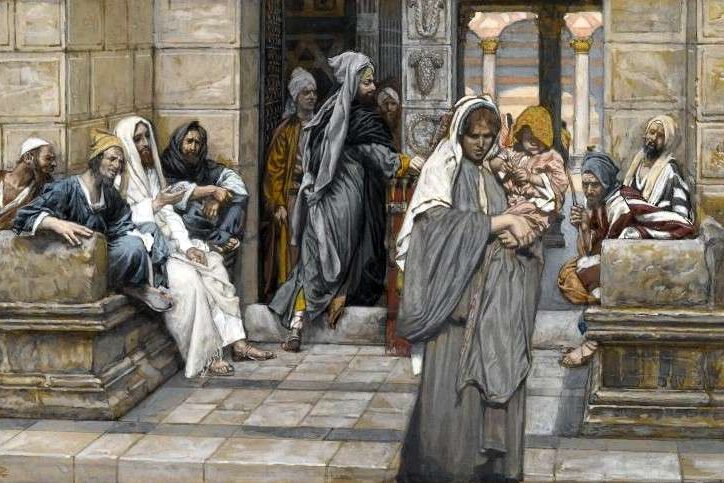
poor widow came and put in two small coins, the equivalent of a penny. Jesus is the only one noticing the widow; the disciples are looking somewhere else. They are probably looking at the long robes of the scribes and Pharisees who do everything to be noticed, revered and praised by everyone. The passage begins with a direct attack on the scribes who are part of the Temple. Jesus shows what is wrong with their attitude. They love to walk in long robes: they want to stand out from others, they are above everyone else, and it seems that they want to affirm: I am closer to God than you. Jesus cannot stand this comedy: don’t look at them, don’t give importance, they will get tired of doing theatre. God is close to everyone, no one is excluded, no one is more important, we are all in the heart of God.
The only thing that matters in the life of the Pharisees is receiving respect and being greeted with reverence. If they don’t receive them they get indignant. For Jesus every person deserves respect, indeed those who are in difficulty deserve even more consideration and respect.
“These are the men who swallow the property of widows”. This is the most serious sin, widows were the weakest people in the society of Jesus’ time. They depended entirely on the generosity of their children, the entire inheritance passed to the son, brother, or family of origin, but never to them. God is the defender of widows, God is the defender of all weak people.
“While making a show of lengthy prayers”. They present themselves as religious people, impeccable, blessed by God. When Jesus prays he retreats to an isolated place, having an intimate relationship with his Father.
Jesus is in the atrium of the temple, he sees many rich people throw many coins, they resonate loudly in the collection boxes so that everyone can notice their great generosity. The rich give a lot of money to the religious institution, they have the same God in common: money. In exchange, they receive support from the religious institution. The widow throws two copper coins, it was worth nothing, and only used in the temple, scholars tell us that it was equivalent to purchasing 1 ounce of bread. The widow doesn’t stand out, she’s ashamed because she can’t give more; she gave up 1 ounce of bread, her food for that day. Jesus’ message throughout the gospel is the opposite: sharing goods with brothers who need them, and who are in difficulty, be generous, get involved in the problems of those who can’t move forward.