


Fr Marco Lazzaron
e want you to be quite certain, brothers, about those who have died, to make sure that you do not grieve about them, like the other people who have no hope. We believe that Jesus died and rose again, and that it will be the same for those who have died in Jesus: God will bring them with him. We can tell you this from the Lord’s own teaching, that any of us who are left alive until the Lord’s coming will not have any advantage over those who have died. At the trumpet of God, the voice of the archangel will call out the command and the Lord himself will come down from heaven; those who have died in Christ will be the first to rise, and then those of us who are still alive will be taken up in the clouds, together with them; to meet the Lord in the air. So we shall stay with the Lord for ever. With such thoughts as these you should comfort one another (1Ts 4:13-18).
We are almost at the end of the liturgical year and the Word of God of these last few Sundays in the Ordinary Time prepares us and makes us look towards the “last things”, what is called Christian eschatology.
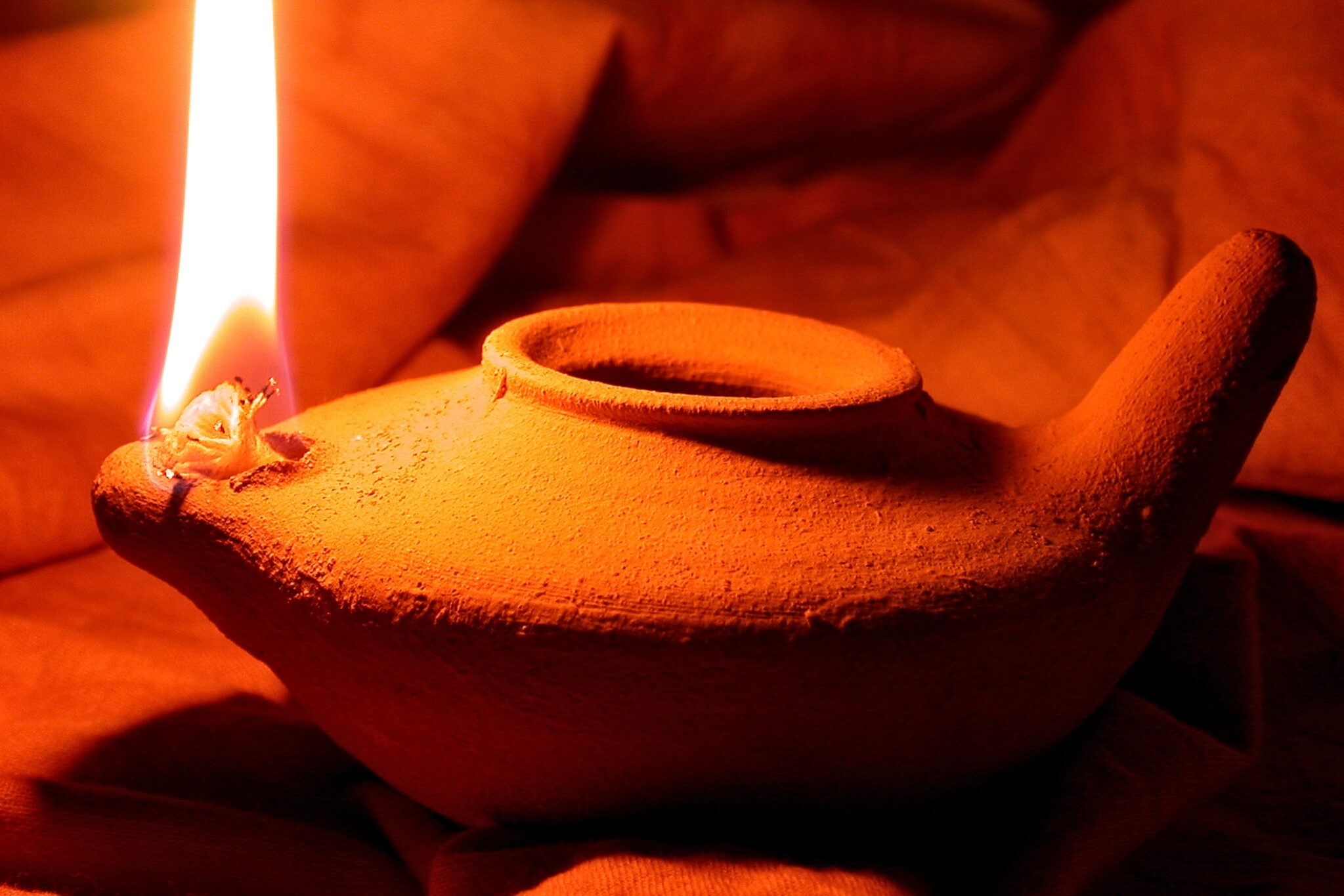
With the parable of the ten bridesmaids who prepare to meet the bridegroom Jesus wants us to ask ourselves: Where are we going? Are we waiting for the bridegroom with our lamps lit? Life in the light of this parable is an active waiting. Everyone knows that the bridegroom is coming, all the houses are waiting; everybody speaks about him; the ears are ready to listen to the message: “The bridegroom is coming, go out and meet him”. In the same way, our life here on earth is waiting for the coming of the Lord. But it is not merely just waiting for the time to pass by, but the time is filled with two worries: vigilance and faithfulness. These are the two worries for the servant to keep the house safe from thieves and wait for his master to come. To be faithful means to persevere in good actions, not to abandon the battlefield, but to stand firm and ready, even when the waiting is becoming very long, and fear grows, and hope diminishes.
To be vigilant does not mean to think about death day and night and be paralyzed in our lives, but it means to live our life to the fullness, filling it with meaningful contents, moment by moment, in conformity with the will of God. But, when the bridegroom arrives the wise bridesmaids are ready to enter the banquet hall. At Mass, we are also invited to enter the banquet hall with the words of the priest: “Blessed are those who are called to the supper of the Lamb”, blessed are those who are invited to the wedding feast and are ready to celebrate. Hopefully, here today we are like the five wise bridesmaids who are rejoicing at the Lord’s Supper. So, let us entrust all of us to the mercy of God that we may be found worthy of the banquet and one day participate fully in the eternal banquet, in the heavenly banquet with all our dear brothers and sisters who died, hoping that no one will remain outside.
In the second reading, St Paul invites the Christians to look at the moment of death without fear, with the firm certainty that we are going to be reunited with Christ: We want you to be quite certain, brothers, about those who have died, to make sure that you do not grieve about them, like the other people who have no hope. We believe that Jesus died and rose again, and that it will be the same for those who have died in Jesus: God will bring them with him. With such thoughts as these, you should comfort one another (1Ts 4:13-14.18). With these comforting words and with the certainty that God will not leave us orphans we can profess as every Sunday our faith: I look forward to the resurrection of the dead and the life of the world to come. Amen.