



Fr Marco Lazzaron
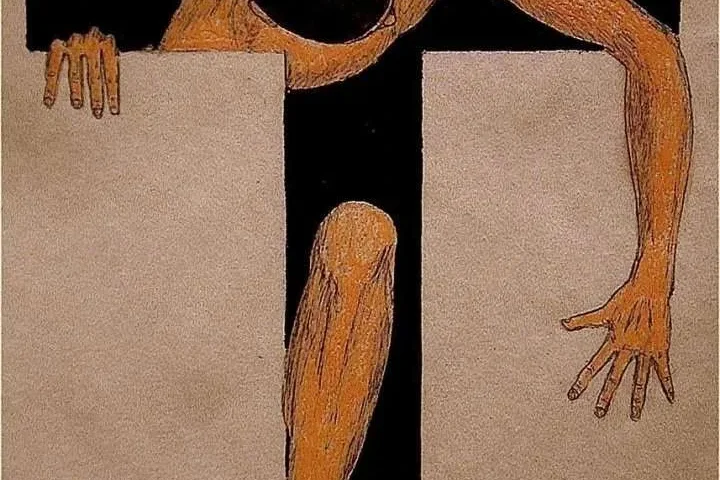
oday’s Gospel passage offers us the famous image of the narrow door. A man approaches Jesus and poses a question that was common in Jewish circles of the time: at the end of time, what will be the number of those who will be saved? Jesus’ reply, as usual, is on another level—He shifts the focus to personal conversion. The real issue is not to figure out who will be saved and who will not, but to make every effort to actually attain salvation!
If it is true that the door of salvation has been opened by Jesus (and that He Himself is the door), it is equally true that entering through it requires effort, commitment, a kind of “holy struggle”. Jesus does not say, “Please, make yourselves comfortable”, but rather, “Strive to enter through the door”. The door that leads to the final banquet is reached through trial, through spiritual struggle, and it asks of us our full dedication. We must be clear with ourselves: it is not easy to do good; sometimes choosing evil seems more spontaneous and certainly easier. But there is a vast difference: evil may cost less at first, but in the end, it is terribly expensive. Goodness, on the other hand, often requires effort at the beginning, but in the end, it repays us sweetly!
Sometimes love entails sacrifice, but that sacrifice leads to joy. Choosing selfishness may seem more convenient, but it leaves us empty inside. Bearing the weight of truth is demanding, but it leads to freedom; bowing to falsehood or preferring a quiet life is easier, but it makes you a slave. There is, then, a “blessed struggle” that is required of us to live according to the Gospel—a struggle that not everyone is necessarily willing to make. This is precisely what Jesus illustrates in those who remain outside and want to enter, saying: “We ate and drank in your presence; you taught in our streets”. We can see here an allusion to the Eucharistic banquet, to having listened to the preaching of the Lord’s word, but then “being workers of iniquity”—that is, having failed to live justly according to the word we heard. “How often do we see the scandal of people who go to church… and then live hating others or speaking badly of people. This is a scandal! Better not to go to church! Live as an atheist then. But if you go to church, live as a son, as a brother, and give true witness, not counter-witness” (Pope Francis, General Audience, January 2, 2019).
Alongside the image of the door comes that of time: there is a time to be seized before the master of the house rises and shuts the door for good. Each day brings us opportunities to love, to do good, to care for our loved ones, to perform acts of justice, to take steps toward others, to sow peace. These chances will not return—so let us not waste them! Let us not forget: “We have only today with which to love” (St. Thérèse of Lisieux).