



Fr Marco Lazzaron
he Gospel of this Sunday presents us with something fundamental in human relationships: forgiveness. We all experience (or have experienced) how difficult it is to forgive and how long the journey of healing can be. Forgiveness is not simply saying “forgive you” and expecting an immediate effect. Forgiveness is a slow and progressive process. In fact, the act of actually forgiving someone, is only the final step in a long process of purification and healing.
When we have been hurt or offended, resentment, anger, and the desire for revenge or punishment towards the person who offended us arise within us immediately. And sometimes, we may say: “I don’t want to forgive”, but then there is nothing more to add. Here we need to ask ourselves: “Do we want to forgive?”
It is different when we sincerely say: “I would like to forgive, but I can’t! Help me, Lord!” When someone says this, they open themselves to the work of the Holy Spirit and engage their will, their intelligence, and their heart because they want, with God’s grace, to reach the point of truly forgiving from the heart.
Forgiveness is an act of strength and of victory. To succeed in forgiving is to set a prisoner free and discover that the prisoner was you! To forgive means freeing oneself from an internal enemy: hatred. And hatred is such a powerful feeling that the person who offended you remains constantly present in your thoughts, your memories, and your plans.
Do you therefore want to be free in your life? Forgive those who ask you for forgiveness and try not to dwell on the harm you have received. It is certainly a long journey; it requires our good will and the commitment of our whole being. But “the heart that offers itself to the Holy Spirit transforms the wound into compassion and purifies the memory, transforming the offence into intercession” (CCC 2843).
In the Gospel of Matthew Jesus says: “If you do not forgive others, neither will your Father forgive your trespasses” (Mt 6:15). These words might make us think that God’s mercy toward us is simply a consequence of our mercy toward others. If that were the case, it would mean making God’s forgiveness dependent on our forgiveness.
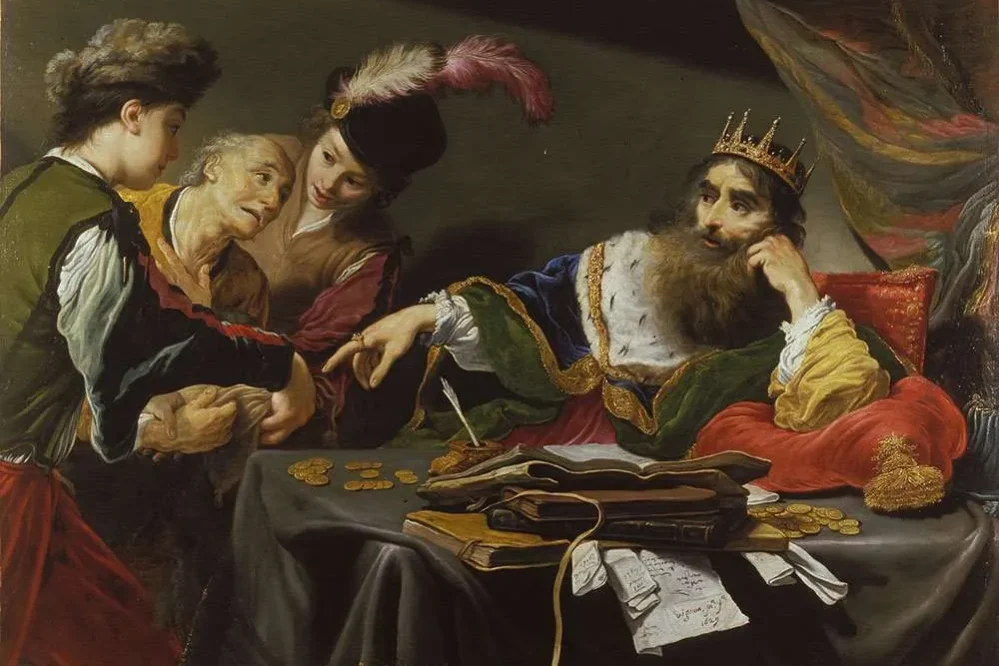
However, the parable of the two servants is the key to correctly understanding this relationship. The generosity of the master (God), who forgives an enormous debt to the servant (sinful humanity), should have moved the servant to show mercy toward the person who owed him the insignificant sum of money. It is therefore God who forgives first. By forgiving us, He gives us His love and His grace, which enable us to forgive others.
Let us always remember that before God commands us to do something, He gives us the means and the strength to do it: “As the Lord has forgiven you, so you also must forgive” (Col 3:13). We therefore forgive others because He has taught us forgiveness; He has forgiven us first.
Prayer
Lord Jesus, our Redeemer, strengthen our resolve to convert and remain faithful. Let us experience the certainty, and also the sweetness, of Your love, mercy and forgiveness, so that by learning from you we may forgive those around us. (St. Paul VI)