



Fr Marco Lazzaron
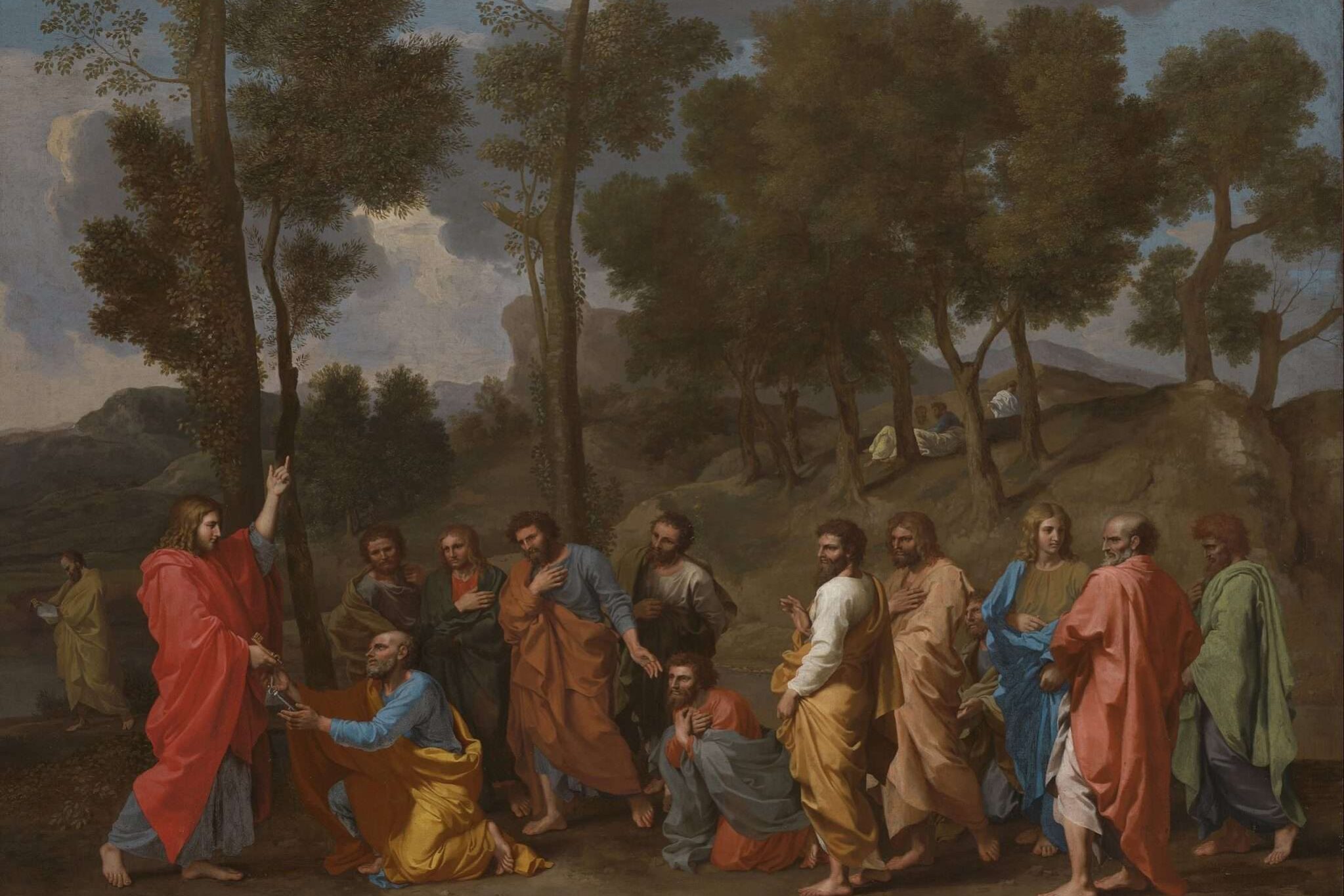
he Gospel of Mark has the identity of Jesus as its underlying theme. A question runs through it from beginning to end: “Who is this?” (Mk 4:41). With today’s passage we have reached the center of the itinerary of this gospel: “You are the Christ!” Peter’s profession of faith is the first great goal and signals the turning point towards a second stage, the recognition of Jesus’ divine sonship, which will take place at the cross: “Truly this man was the Son of God!”
While the crowd understands that Jesus is a special character, but interprets him with the categories of the past (John the Baptist, Elijah, or one of the prophets), Peter sees in Jesus the Messiah, the one that Israel has been waiting for for centuries, announced by the prophets.
The Hebrew word Messiah, translated as “Christ” in Greek, means the “Anointed One”. Those anointed (with perfumed oil) were the kings, prophets, and priests at the time of their election. Over time, the Messiah, the Christ, the Anointed One par excellence had become the “liberator” awaited by the people of God, considered by some to be of priestly lineage, by others of royal lineage.
Jesus was the Messiah, the Christ. He himself recognizes this during the interrogation before the Sanhedrin: “Are you the Christ, the Son of the Blessed One? Jesus replied: “I am!”, causing scandal to the high priest. Why then did Jesus impose silence on the apostles, “strictly ordering them not to speak about him to anyone”? Because that title was loaded with earthly expectations and ambiguity. Israel expected an earthly and glorious Messiah, while Jesus would have been a defeated and humiliated Messiah.
Only after his passion and death, when it became clear what type of messianism he was bringing – that of the Servant of Yahweh – did the title Christ become his second name. At this point, Jesus “began to teach them that the Son of Man had to suffer greatly”. It is a new beginning and the key word is the cross, which appears here in Mark for the first time. The new stage is that of the cross. And here Peter, proud of having won the previous stage, immediately stumbles, indeed he himself becomes a stumbling block.
Another call corresponds to a new beginning, addressed both to the disciples and to the crowd: “Calling the crowd together with his disciples, he said to them: If anyone wants to come after me, let him deny himself, take up his cross and follow me”. This new phase of the journey is not for simple supporters or amateurs. It’s about carrying one’s cross, that is, taking on one’s own reality, without dreaming of another, and following Jesus.