



Fr Marco Lazzaron
t is said that Saint Francis Xavier, upon arriving in Yamaguchi, still couldn’t speak Japanese well and began preaching with convoluted speeches that no one could understand. So, the local boys began to mock him, spat on him, and threw stones at him — and yet he continued preaching with a smile on his lips. Then a samurai appeared who, upon seeing the scene, was shocked and said to Francis: “I am the most respected and honoured man in the city, and I do everything I can to defend my honour. But you — what is it that you possess that is so important, that makes you so free, you don’t care about losing your honour?” And the samurai converted, so that he could discover what that most important thing was — that treasure which Francis Xavier possessed. This story, even though wrapped in legend, conveys a profound truth: the humble person is the freest of all, because they have nothing to defend or to prove. They are free.
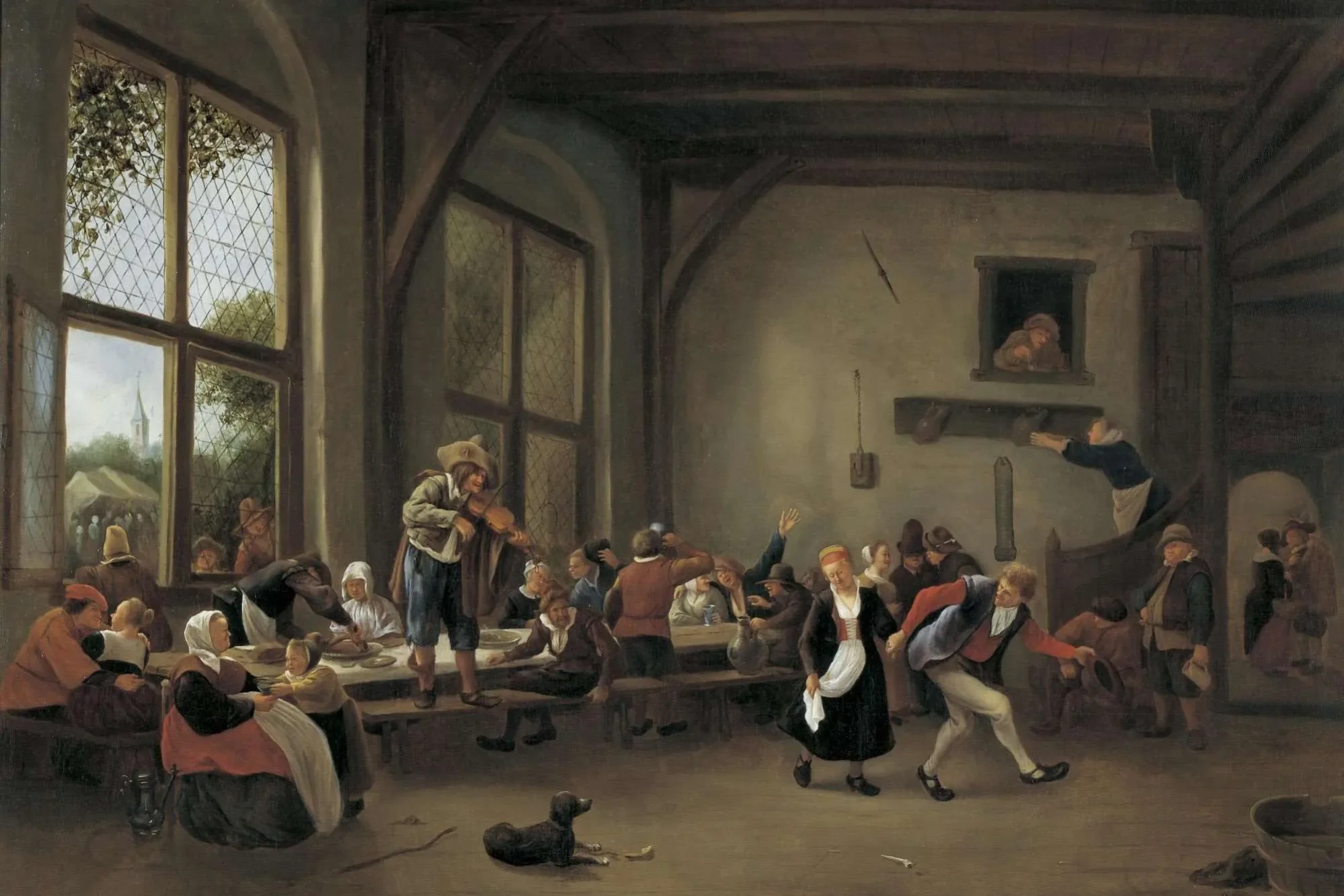
It is humility that the Gospel of this Sunday speaks to us about, where Jesus tells us to choose the lowest seat when we are invited to a banquet. “Because”, Jesus continues, “when the one who invited you comes, he may say to you: ‘Friend, move up to a better place’”. But we must be careful: the move to a better seat should not be the goal of our humble gesture, but the consequence. If I choose to “humble myself” so that I may then be promoted, that is not humility — it’s hypocrisy. It’s what is known as “false humility”.
The humility Jesus speaks of is the freedom that even frees us from the need for recognition or acceptance by others. A freedom that also appears in another teaching from today: “When you give a banquet, invite the poor, the crippled, the lame, the blind; and you will be blessed, because they cannot repay you”. This is a call to be free even from the desire for strategic friendships — not only in terms of prestige, wealth, or power, but also in terms of emotional comfort. To reach out even to those who will be ungrateful, who will never return your affection. Humility, then, is the result of the awareness that we have something no one can ever take away from us, something for which we are willing to give up prestige, reputation, and honour.
Recent academic studies have shown the beneficial and healthy effects of humble behaviour: humble people are better able to remain calm, to stand by their ideas, and to resist manipulation. They have greater self-control, and are better at managing the anxiety of death: rather than fearing it in a distressing way, they see it as a reason to live life more fully. Similarly, humble leaders — in addition to being more appreciated — are also more effective. The same applies to workers: honesty and humility are good predictors of job performance.
Furthermore, humble people make fewer demands, are less prejudiced, more tolerant, more willing to help, more generous. They do not see others as rivals or adversaries, but as fellow travellers on the journey of life. For Christians, humility is not an accessory virtue, but the heart of the faith: it is conforming oneself to Christ Jesus. And so, who knows — maybe in the end, the samurai did find the treasure of Francis Xavier. Maybe yes, maybe no. But that matters little. What matters is whether you have found it.
If you know how to live relationships freely, with the freedom to give and give yourself without expecting anything in return; if you seek genuine people more than important ones; if you are not concerned with appearances, with justifying every action, or with convincing others… then it is a sign that you, have found that treasure.