



Fr Antonio Pineda
ate last year, I invested in a book cataloguing software because I wanted to keep records of my ever-growing book collection. It took a while for me to enter every book I own into the database, but it was well worth doing. The book cataloguing software not only helps me keep track of my collection, but it also tells me things like how many titles in each genre I own. I could even monitor any books that I lend out, how many are first editions, etc.
One of the first reports that I generated was to list all the books of fairy tales, myths and fables that were in collection. I was rather surprised to discover that I had more than 100 different titles.
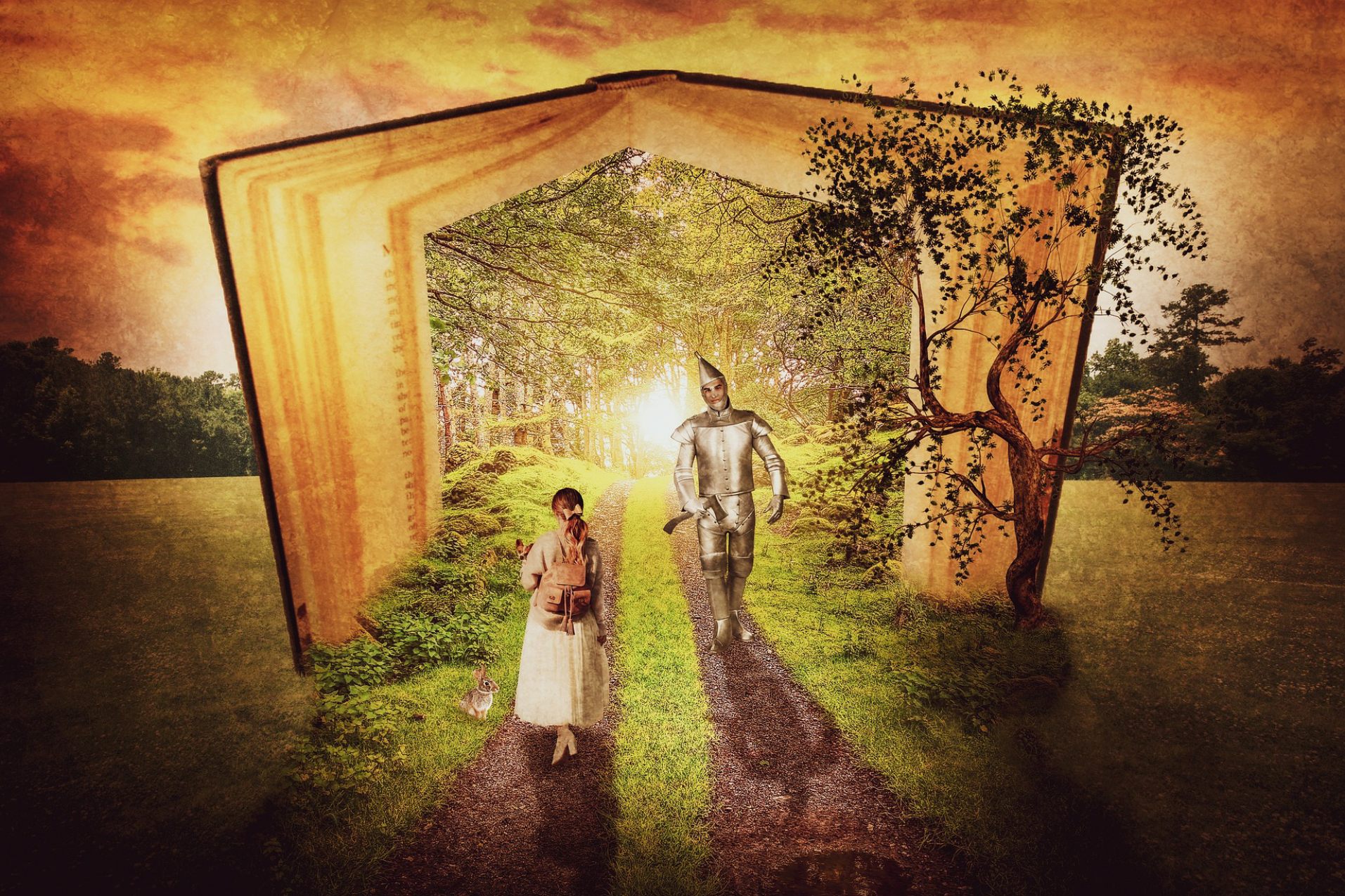
Did you ever wonder why fairy tales are so popular and memorable? Cinderella, Snow White and the Seven Dwarfs, Sleeping Beauty, Little Red Riding Hood and many more … We loved them as children (and, if you’re like me, as adults too). We all know and remember fairy tales. They are part of life.
Maybe they resonate with us so much because they are true. Yes, contrary to popular belief, fairy tales are true. They are not true in their details — magic charms, castles, talking animals, and all of that. They are true in their meaning. They are stories of a battle in which good overpowers evil after a long struggle. They are stories of suffering and struggles leading to the good of others.
This is the deepest truth of human history and of every human life — the truth of Christ, of his cross and the resurrection. The fantastic details of fairy tales magnify this basic truth: the heroes are weak like lambs being led to the slaughter (e.g. Little Red Riding Hood), and the villains are horrible, powerful, and violent (e.g. the wolf). The heroes are crushed and oppressed by the villains, like Christ on the cross, but in the end, they return to freedom and life, like Christ in his resurrection.
Isn’t it funny how different that pattern is from the pattern of the other stories that constantly bombard our imaginations in the secular world: the stories told by advertising? Advertisers promise power over suffering, not power through suffering; they promise perpetual Easter Sundays without any Good Fridays.
But, as Easter Sunday reminds us, that is not the way things are. The real world, in fact, is much more like the fairy tales we know and love — maybe that’s why they resonate with us so deeply. In the real world, we are each called to follow Christ through the cross of self-sacrificing love to the irreversible joy of the resurrection, over and over again. That’s what fairy tales teach us: we go through pain and hardship before we get to what we desire most. Contrary to the promises of advertising, instant gratification does not lead to a happily ever after.
Until we adjust our advertising-influenced expectations, we will always be frustrated in life, because we will be out of touch with the deepest reality of human existence. Jesus died for us and he rose from the dead so that we can have a place in paradise with him. That is not a fairy tale. It’s the Lord’s promise. No magic wand is needed to make it true. Just faith.