


Fr Antonio Pineda
hree thousand people became followers of Christ in one day, as the result of one sermon given by St Peter. That’s what the Book of Acts records in the First Reading this Sunday.
After the apostles received the Holy Spirit in the Upper Room, they went to the Temple to give thanks, and the presence of the Holy Spirit attracted crowds of awestruck pilgrims. Peter stands up and addresses them. He tells them about Christ. And “they were cut to the heart.” These were the same crowds who had rejected Jesus just a few weeks earlier. But now the mere mention of his name “cuts them to the heart.” Hearing the truth about Christ made them want to follow Christ.
But they didn’t know how and so they asked, “What are we to do?” Peter explains that they need to repent and be baptised. They need to decide to give up their self-centred ways, follow Christ’s teachings, and receive the sacraments worthily.
We are all so familiar with this scene that we can easily overlook the most important thing. The grace of God didn’t reach those three thousand people directly. It reached them, inspired them, changed them, and renewed their very lives, through the mediation of the apostles, through the preaching, witnessing, and ministry of Christ’s chosen messengers. Christianity is not just about “me and Jesus.” Christianity is about the whole family of Jesus. It is about his Church, through which Jesus has chosen to make himself known and loved by sinners who need his grace.
God works through messengers. And guess what? All of us are God’s messengers. We have all received the Holy Spirit, first at baptism, and then more abundantly at confirmation. This gift is meant both to help us in our personal relationship with God — the most important relationship of our life — but also to help us be better messengers, better ambassadors for Christ in this fallen, suffering world.
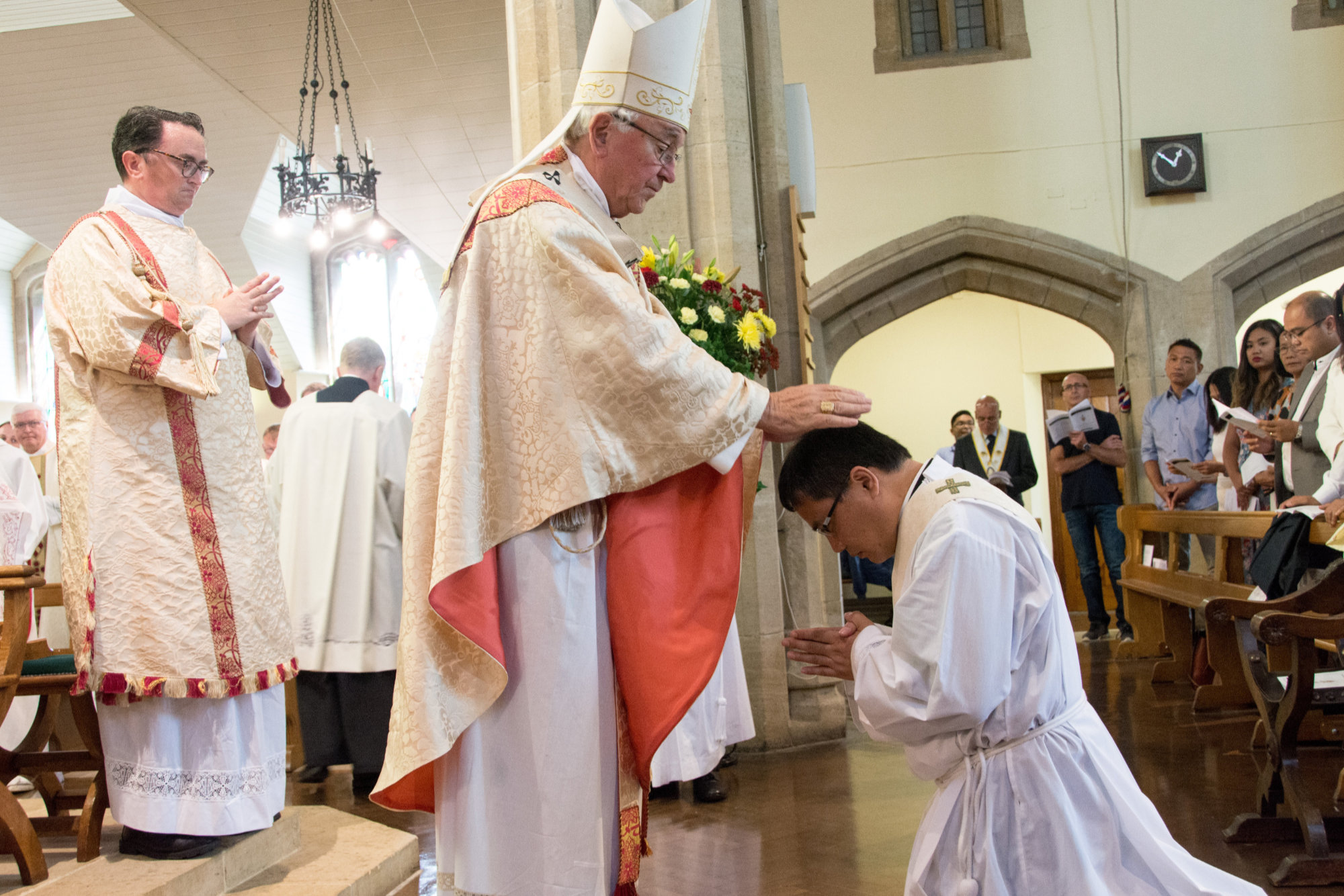
Even so, God does call some of his children to be messengers in an even fuller sense. Every Christian is a soldier, but God sets some Christians apart to be officers and special agents. These are the vocations to the priesthood, religious and consecrated life, and full-time missionary life. Without these vocations, the supply lines for the rest of the army break down, and the soldiers on the battlefield can’t fulfil their mission.
Not all of us are called to be priests and religious, but all of us are called to encourage these vocations. We can do that in three ways. First, we can pray for God to call many more young men and women to these special posts. Jesus actually commanded us to do this. Second, we can pray for those whom God is calling to be given the courage to accept the invitation. This is especially important in today’s world, which laughs so loudly at lives dedicated entirely to God and neighbour. And thirdly, we can encourage young people to give God the first shot at their hearts. Ask them if they have ever considered a vocation. Suggest that they go on a retreat at a seminary or a religious house to give God a chance to speak to them.
God works through messengers. If he is calling you to be a special messenger, do not be afraid! For the rest of us, this Sunday – Vocations Sunday — let’s join our prayers to those of the whole Church, asking him to send out more messengers through whom he can work.