



Fr Antonio Pineda
n the Gospel passage for the second Sunday of Advent, we are introduced to one of the best-known figures from the New Testament: John the Baptist. We knew him from stories we heard in childhood: Jesus’ cousin who made the rather odd decision to go into the wilderness and ate locusts and wild honey.
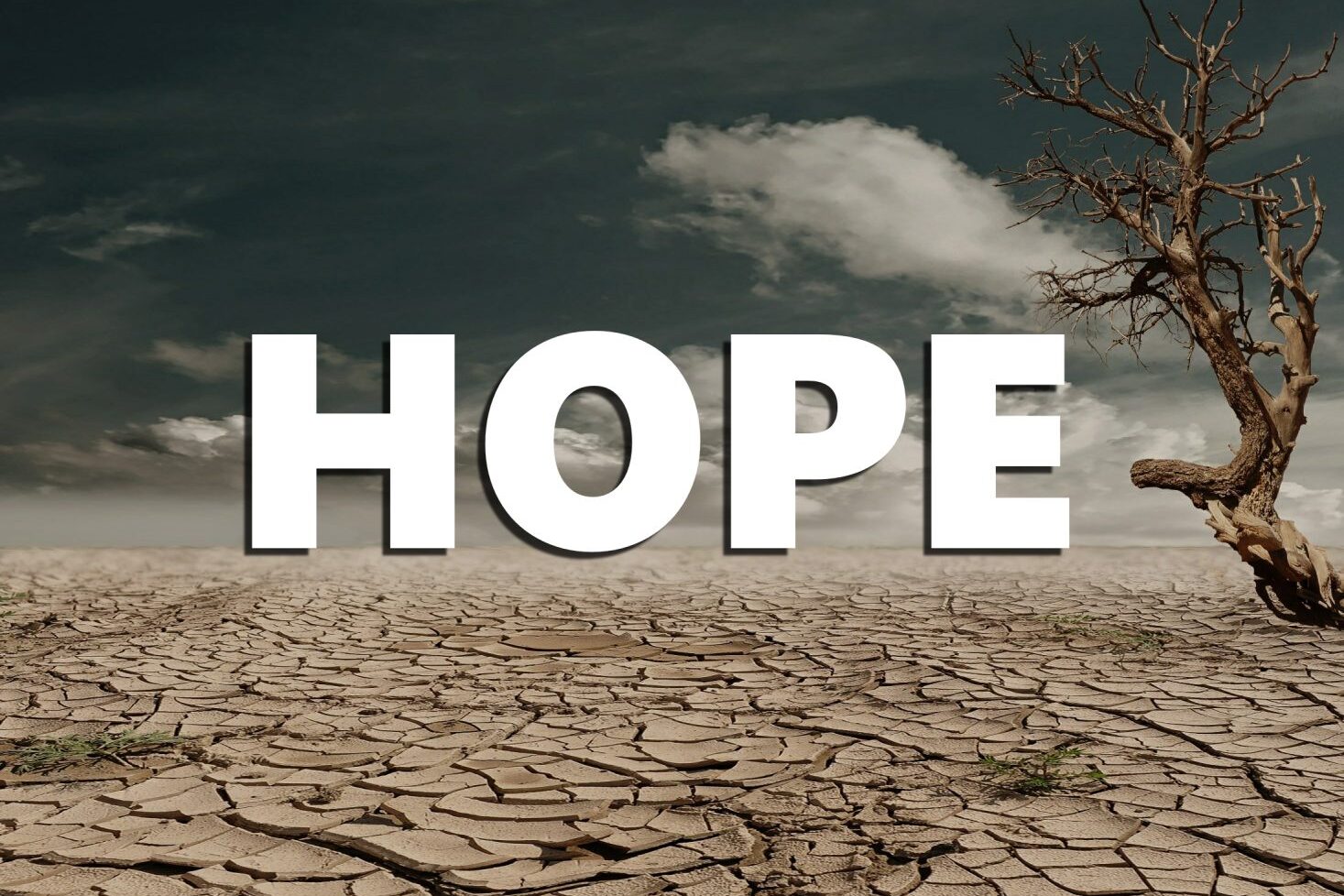
Not very Advent-like, you might say. But in truth, Advent is not just about anticipation for something great that is coming. It also invites us to confront winter and wilderness. The Church is arguably in the wilderness at the moment, suffering something of a drought. There is little sign of growth or fruitfulness, the number of Mass-attending Catholics continue to decline, and the number of vocations to the priesthood gives us pause for concern.
In the time of Jesus and John the Baptist, wilderness was considered the abode of evil spirit: untamed with anti-life forces. The moral wilderness is facing us every day. Temptations surround us everywhere and anti-Christian values are gaining dominance. The Good News is that the word of God came to John in the wilderness. Maybe it’s not a bad place to be after all. Something good can come out of the wilderness.
This is where Advent comes in: this season before Christmas restores hope. The virtue of Advent is hope, the courage to believe in God’s love even when the signs are contrary. Our second reading teaches that the scriptures were written to give us hope from the past story of God’s deeds. St Paul tells the Romans: “Everything that was written long ago in the scriptures was meant to teach us something about hope from the examples scripture gives of how people who did not give up were helped by God”.
Yes indeed. Hope is coming. It’s what we’re waiting for this Advent.