


The imminent coming of the kingdom of God forms the basis of the preaching of John the Baptist and of Jesus. Our new cycle of Sunday readings opens with a similar message, delivered to the disciples at the end of Jesus’ public ministry.
The extract for today comprises the concluding verses of Jesus’ long discourse to his disciples concerning the second coming and the events which will accompany it, beginning with the destruction of the Temple in Jerusalem. The final words are a warning: “Stay awake!”
Reflect
No one likes the sensation of being watched. We usually feel uncomfortable or uneasy if someone is looking over our shoulder and keeping an eye on us. Some people feel this way about God: the Lord is observing us, noting what we do right, or, m ore often, what we do wrong, and such individuals live with a guilt complex, that they are never in God’s good books. Our Gospel reading today sets out a summary of the Christian ethical life: the master has left his servants with their different tasks, assigned according to their ability; the doorkeeper has been instructed to “stay awake”, as the time for the master’s return has not been announced, and so could happen at any time; if the servants are going about their duties, they have nothing to worry about, so the mater’s arrival is not something fear.
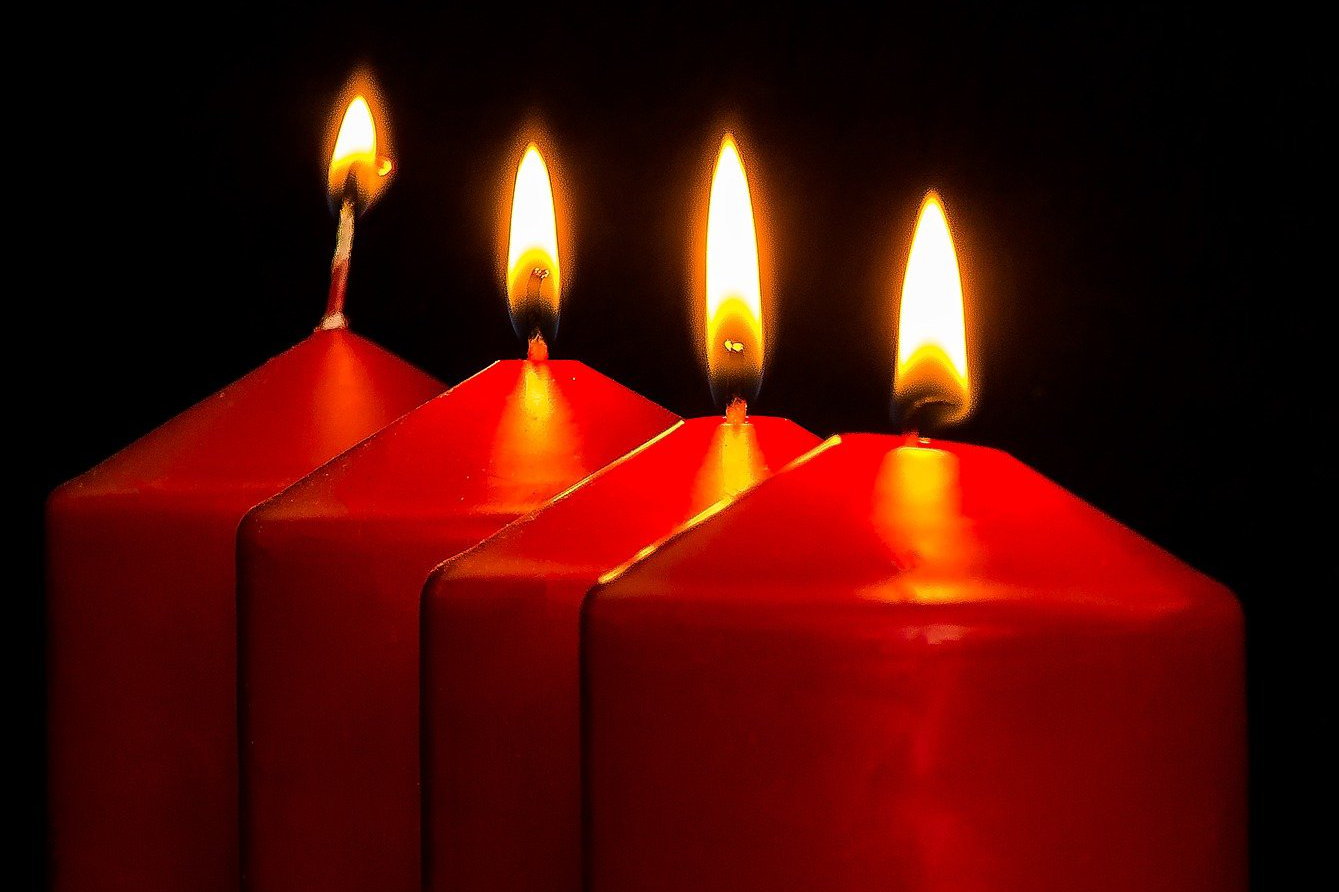
We are beginning the season of advent, when we think about the coming of Jesus in our human flesh and nature. It can be difficult to preserve this attitude of looking forward to Christmas when for so many people the feast has, to all intents and purposes, already arrived. Christmas carols and songs are to be heard everywhere, and carol services sometimes anticipate the day itself. But, as Christians, we are invited to prepare to celebrate this festival with prayer and penance: this means living these four weks in the spirit of faith, and examining our lives in this light. We are being asked to think about how we would feel if the Master did arrive, how we are living up to our calling as disciples of Jesus. Are we awake and fulfilling our daily responsibilities calmly and thoroughly, or are we like the disciples in Gethsemane who fall asleep, just when Jesus needs their support and presence? We are not being asked to work ourselves up into a frenzy of panic and guilt, but to look at ourselves honestly and remedy those compromises we may have fallen into, not out of ill will, but simply because of forgetfulness or tiredness or the like.
When we are expecting a guest, we see that everything is ready, not just out of courtesy for our guest, but also out of a sense of respect for ourselves. Advent is that time to prepare to celebrate the first coming of Jesus, but also a reminder that we should keep in mind that he will come again, and we do not know the day or the hour.
Say
Awake from your slumber! Arise from your sleep!
Daniel L. Schutte
Learn
- The Roman night was divided into four watches: evening, midnight, cockcrow and dawn.
- “Advent” means approach, arrival, coming.
- The Gospel according to Mark begins with Jesus as an adult: there is no “infancy narrative” telling of events such as the annunciation to Mary or Joseph, or the circumstances surrounding his birth.
Do
Set your alarm a little earlier than usual for the season of Advent: when it rings, think of Jesus’ words “Stay awake!” and thank the Lord for a new day.