


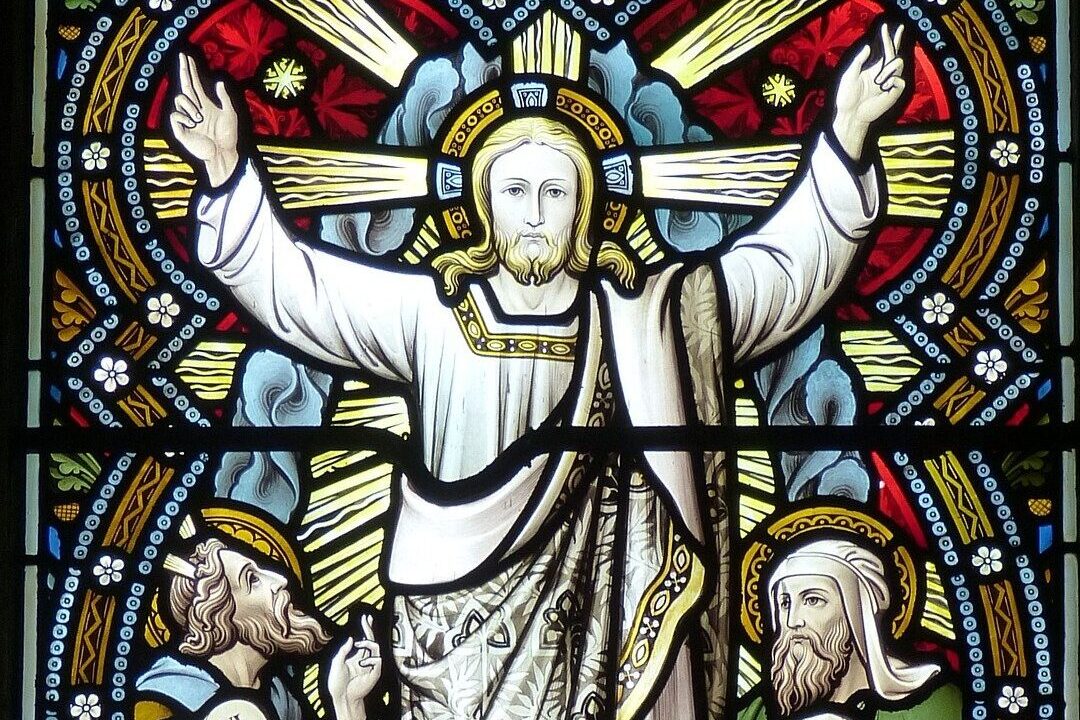
In the Gospel tradition, the story of the transfiguration of Jesus stands at the beginning of Jesus’ journey to Judaea and Jerusalem, where the events of the paschal mystery will take place. This incident corresponds to the narrative of Jesus’ baptism, which inaugurates his mission in Galilee. There are several significant details: the high mountain is traditionally a place of revelation and the cloud is a sign of the divine presence; Elijah and Moses represent the Prophets and the Law of Jewish heritage; the heavenly voice speaks to the disciples, whereas the baptism was a personal experience of Jesus himself; Jesus commands the disciples to keep silent about what has transpired, this time, until he is risen.
Mark tells us that Jesus was “transfigured”: his glorified body shines through his garments, rendering them brilliantly white. Thus the three disciples are given a glimpse of Jesus’ true identity. Their reaction is that of someone who has experienced something of the divine: they are awestruck. But glory comes at a price: immediately after the abrupt ending of the episode, a reference to the coming events in Jerusalem appears. The cross makes its presence felt: the title “Son of Man” is usually associated with the suffering Jesus. Jesus had spoken earlier about his future passion and in that context had given his teaching on discipleship. Now he introduces the theme of “rising from the dead”, which Peter, James and John discuss among themselves; but rising from the dead presupposes the passion and death of Jesus which will precede it.
REFLECT
If you want to watch and properly enjoy a film or the recording of a sports event, there is nothing worse than someone telling you the ending or the final score. Sometimes you will be warned that a “spoiler alert” is coming and that you should turn away now! This incident of the transfiguration – or transformation – of Jesus, which occurs at the mid-point of his ministry, gives us a glimpse of the end of the story. It shows us Jesus Christ in glory, but sets this vision against the background of his passion and death, as he sets out on his journey to Jerusalem and his destiny. At this point, as we have set out on our journey with Jesus through Lent, we are also given an assurance – a sneak preview – that Calvary will not be the end of the story.
The words of the voice from the cloud are addressed to us today, “This is my Son, the Beloved. Listen to him.”Jesus has spoken in the Gospel about the cost of being his disciple and taking up the cross and following him.
Occasionally, we may experience a strong sense of the presence of God in our lives, but this feeling does not usually last very long. Peter’s reaction to the vision of the glorified Jesus is to build tents to prolong the experience, but this is not to be. Peter, like ourselves, has to come down from the mountain, back to normal life.
LEARN
- The text of the Gospel talks about Jesus being “transfigured” in the presence of his disciples.
- Elijah is the figure who represents the prophetic tradition of Israel: Moses personifies the Law, the Torah.
- The site of the transfiguration is traditionally located at Mount Tabor, the highest peak in the Holy Land.
SAY
Speak, Lord, your servant is listening.
(1 Samuel 3:9)
DO
Spend some time looking at the crucifix: reflect on how it is the ultimate symbol of Jesus’ giving of himself in service to the Father for our sake.